👴🏼60 is the New Middle Age!👱🏼♂️.
🇩🇪👇Für Deutsch.
.
Wouldn’t you like to have a healthy and beautiful smile during your retirement years? You`re 90 days away from your 30`s.
.
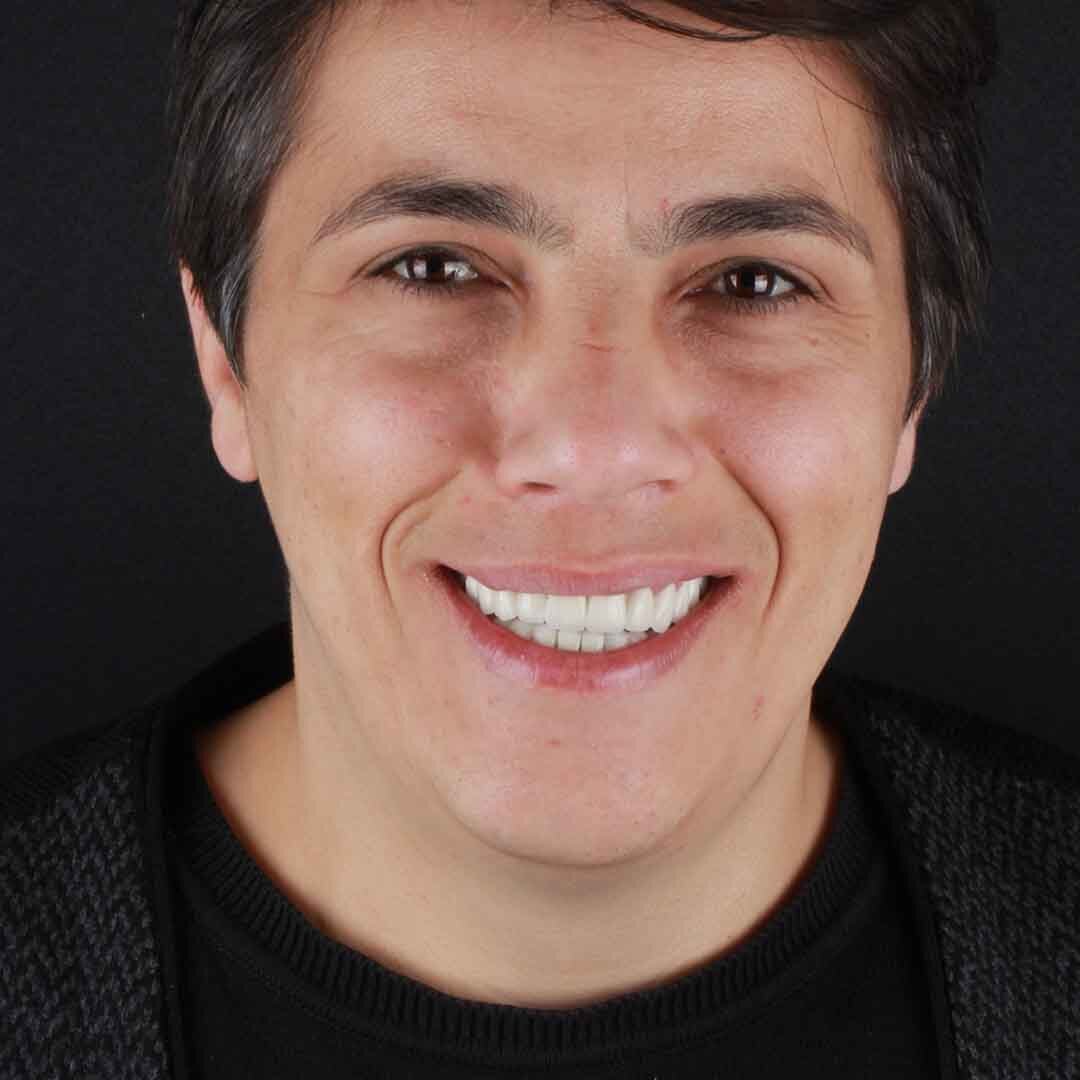
Here is a complete mouth restoration for our patient from 🇩🇪Germany. Right after his retirement, he dived into his new life of long trips with friends and fascinating world of long time overlooked hobbies. But after a while, he realised that a big thing was missing: His young and healthy smile was gone. The before photo explains the case by itself. Long years of hard working and making savings for the retirement, left so little time for self care. And dental health is one of the first things ignored by busy people. Luckily it wasn`t too late for him. And thanks to our affordable prices, he didn`t have to spend all his retirement bonus to his treatment. It took us 2 hours to place 8 implants (4 upper and 4 lower visible at the middle photo), and 3 months later, we completed his smile with zirconium crowns in less than a week.
.
🇩🇪👇60 ist das neue Mittel-alter!👴🏼👱🏼♂️
.
Möchten Sie nicht ein gesundes und schönes Lächeln in Ihren Ruhestandjahren haben? Sie sind 90 Tage von Ihren 30ern entfernt.
.
Hier ist eine komplette Mund-Restauration für unseren Patienten aus 🇩🇪Deutschland. Gleich nach seiner Pensionierung tauchte er in sein neues Leben der langen Reisen mit Freunden und einer faszinierenden Welt übersehener Hobbys ein. Aber nach einer Weile erkannte er, dass eine große Sache fehlte: Sein junges und gesundes Lächeln war weg. Das vorherige Foto erklärt den Fall von selbst. Lange Jahre harter Arbeit und Sparen für den Ruhestand ließen so wenig Zeit für die Selbstversorgung. Und die Zahngesundheit ist eines der ersten Dinge, die von vielbeschäftigten Menschen ignoriert werden. Zum Glück war es für ihn nicht zu spät. Und dank unserer günstigen Preise musste er nicht alle seine Ruhestandsprämien für seine Behandlung ausgeben. Es dauerte 2 Stunden, um 8 Implantate zu setzen (4 obere und 4 untere wie auf dem mittleren Foto), und 3 Monate später vervollständigten wir sein Lächeln mit Zirkoniumkronen in weniger als einer Woche.
#maltimplantat

🤘A Full-Mouth Restoration🤘
🇩🇪👇Für Deutsch.
.
This case is a #fullmouthrestoration including #dentalimplants and #zirconiumcrowns Due to extensive decays and bone loss, it was a really difficult case. @dr.yusufilhan and @esrakirmizikaya did a great job and created a perfect new smile for our patient.
.
🇩🇪👇 Full-Mouth-Restauration🤘
.
Bei diesem Fall handelt es sich um eine Full-Mouth-Restauration mit #zahnimplantaten und #zirkonkronen Aufgrund ausgedehnter Karies und Knochenverlust war es ein wirklich schwieriger Fall. @dr.yusufilhan und @esrakirmizikaya haben großartige Arbeit geleistet und ein perfektes neues Lächeln für unseren Patienten geschaffen.
.
www.maltepedentalclinic.com
.
#maltepedentalclinic #teethfit #fullmouthreconstruction #smilemakeover #smiledesign #dentalcrowns #maltimplantat #dentalveneers #dentistinturkey #hollywoodsmile #dentistturkey #cosmeticdentistturkey #dentalcareturkey #cosmeticdentist #implantdentistry #smiletransformation #hollywoodsmileturkey #dentalclinicistanbul #schönezähne #zahnaufhellung #zahnklinikistanbul #essex
💫Natural-Looking Dental Bridge💫
🇩🇪👇Für Deutsch.
.
This is another case proving that cosmetic dentistry is an art. Our patient from Germany🇩🇪 had missing teeth, and she wanted to have a beautiful new smile. We created her life-changing smile by restoring her upper arch of teeth with zirconium crowns. We used a dental bridge to replace the missing teeth. As seen in this case, dental bridges can look very beautiful and natural when designed artistically.
.
🇩🇪👇Natürlich aussehende Zahnbrücke💫
.
Dies ist ein weiterer Fall, der beweist, dass kosmetische Zahnmedizin eine Kunst ist. Unsere Patientin aus Deutschland🇩🇪 hatte fehlende Zähne, und sie wollte ein schönes neues Lächeln haben. Wir schufen ihr lebensveränderndes Lächeln, indem wir ihren oberen Zahnbogen mit Zirkonkronen restaurierten. Wir benutzten eine Zahnbrücke, um die fehlenden Zähne zu ersetzen. Wie in diesem Fall gesehen, können Zahnbrücken sehr schön und natürlich aussehen, wenn sie künstlerisch gestaltet werden.
.
www.maltepedentalclinic.com
.
#maltepedentalclinic #teethfit #fullmouthreconstruction #fullmouthrestoration #smilemakeover #smiledesign #maltimplantat #emaxveneers #cosmeticdentist #implantdentistry #smiletransformation #dentalclinicistanbul #schönezähne #zahnaufhellung #zahnklinikistanbul #germanydental #deutschland🇩🇪 #zahnbehandlung #essex
😎There is Always a Solution😎
🇩🇪👇Für Deutsch.
.
Having no teeth or using uncomfortable removable dentures is hard. Our patient from Germany was having this problem. We completed his dental treatment on two visits:
1️⃣ On the first visit, we placed six implants to both jaws.
2️⃣ On the second visit, we did a full-mouth restoration with zirconium crowns.
Now he can eat, smile, and live again.
.
🇩🇪👇Es Gibt Immer eine Lösung😎
.
Es ist hart, keine Zähne zu haben oder unbequemen herausnehmbaren Zahnersatz zu verwenden. Unser Patient aus Deutschland hatte dieses Problem. Wir haben seine Zahnbehandlung bei zwei Besuchen abgeschlossen:
1️⃣ Beim ersten Besuch setzten wir sechs Implantate in beide Kiefer ein.
2️⃣ Beim zweiten Besuch führten wir eine Full-Mouth-Restauration mit Zirkoniumkronen durch.
Jetzt kann er essen, lächeln und wieder leben.
.
www.maltepedentalclinic.com
.
#maltepedentalclinic #teethfit #fullmouthreconstruction #fullmouthrestoration #smilemakeover #smiledesign #dentalcrowns #zirconiumcrowns #emaxveneers #dentalveneers #cosmeticdentist #maltimplantat #smiletransformation #dentistturkey #turkeydentist #dentististanbul #istanbuldentist #dentalclinicistanbul #smilemakeoverturkey #cosmeticdentistturkey #schönezähne #zahnaufhellung #zahnklinikistanbul #zirkonkronen #essex
🌟Titanium Implant Treatment🌟
🇩🇪👇Für Deutsch.
.
This is a great transformation we achieved with a two-phase treatment. When our patient visited us from France🇫🇷, her milk teeth were still in her mouth. Together with other dental problems, these were creating aesthetic and functional issues. We extracted her milk teeth on her first visit, and we placed #implants into both her jaws.
.
After three months, she revisited us, and we designed her new smile with a full set of #zirconiumcrowns The result was beyond her expectations. We restored the function of her teeth and removed all the barriers to her smile.🤗
.
If you are not happy with your smile as well, DM us and let us create a customized treatment plan for you.😊
.
🇩🇪👇Titanium Implantat Behandlung🌟
.
Dies ist eine großartige Transformation, die wir mit einer zweiphasigen Behandlung erreicht haben. Als unsere Patientin aus Frankreich🇫🇷 zu uns kam, waren ihre Milchzähne noch in ihrem Mund. Zusammen mit anderen Zahnproblemen verursachten diese ästhetische und funktionelle Probleme. Bei ihrem ersten Besuch extrahierten wir ihre Milchzähne und setzten ihr in beiden Kiefern #Implantate ein.
.
Nach drei Monaten besuchte sie uns erneut, und wir gestalteten ihr neues Lächeln mit einem kompletten Satz #Zirkonkronen Das Ergebnis übertraf ihre Erwartungen. Wir haben die Funktion ihrer Zähne wiederhergestellt und alle Hindernisse für ihr Lächeln beseitigt.🤗
.
Wenn auch Sie mit Ihrem Lächeln nicht zufrieden sind, melden Sie sich bei uns und lassen Sie uns einen individuellen Behandlungsplan für Sie erstellen.😊
.
www.maltepedentalclinic.com
.
#maltepedentalclinic #teethfit #fullmouthrestoration #smiledesign #dentalcrowns #emaxveneers #veneersinturkey #dentalveneers #cosmeticdentist #implantdentistry #dentistturkey #turkeydentist #dentististanbul #istanbuldentist #dentalclinicistanbul #smilemakeoverturkey #cosmeticdentistturkey #schönezähne #zahnaufhellung #zahnklinikistanbul #essex #maltimplantat
🙏 There`s Always Hope 🙏
•We know how hard it is to have no teeth or wearing uncomfortable removable #dentures.😖
•
Life gets miserable day by day.😟
•
Beata from Germany had the same issue, and now she has 8 #implants firmly holding #Zirconium #Crowns. 😁
Thanks to Dr.Yusuf Ilhan and Dr.Alper Gurhan, now she can eat, smile and live again.😎 You deserve the best Beata, Cheer up.🤗
•
🇩🇪
•
Wir wissen, wie schwer es ist, keine Zähne zu haben oder unbequemen herausnehmbaren #Zahnersatz zu tragen.😖
•
Das Leben wird von Tag zu Tag miserabel.😟
•
Beata aus Deutschland hatte das gleiche Problem und jetzt hat sie 8 #Implantate, die #Zirkoniumkronen festhalten.😁
•
Dank an Dr.Yusuf Ilhan und Dr.Alper Gurhan kann sie jetzt essen, lächeln und wieder leben.😎
•
•
For more information DM us 📩
•
Not sure what you need? Free Live Video Consultation available for International Patients.🗺✈🚢
•
Send your smile photos and/or x-rays for free Non Binding Consultation via 📲Whatsapp or through 💌 E-mail.
•
Contact us and we will get your smile back! 😊👇
•
•
#dentalcrowns #cosmeticdentist #aesthetics
#naturalsmile #zahnkrone
#zahnklinik #schöneslächeln
#dentalclinicistanbul #implantat
#denture #istanbuldentist
#smilemakeover #maltepedentalclinic
#implant #dentististanbul #zahnarzt
#maltimplantat
MALTEPE DENTAL CLINIC.
📲Whatsapp: +90 545 231 5329 🇬🇧🇫🇷 .
+90 542 587 1074 🇩🇪 .
💌E-Mail: info@maltepedentalclinic.com
🛫Location: lstanbul
💻Web: maltepedentalclinic.com
I live in Braunschweig, which is near Hannover. I have come to Turkey to have my new teeth done. I had many problems with my teeth. In Turkey, first I got 8 implants. And now, all my teeth have been fitted on them. I feel so good here in Turkey. The whole practice team is very nice. Dentists are great. I will never forget this Christmas.
You do not need to compromise on lower quality to get an affordable dental implant treatment. Last year, patients from 30+ countries got top quality dental implant treatment from our clinic in Istanbul, Turkey.
Why pay more while quality is the same or better in Istanbul? Enjoy ISTANBUL and get your dental implant treatment from our experienced dentists.
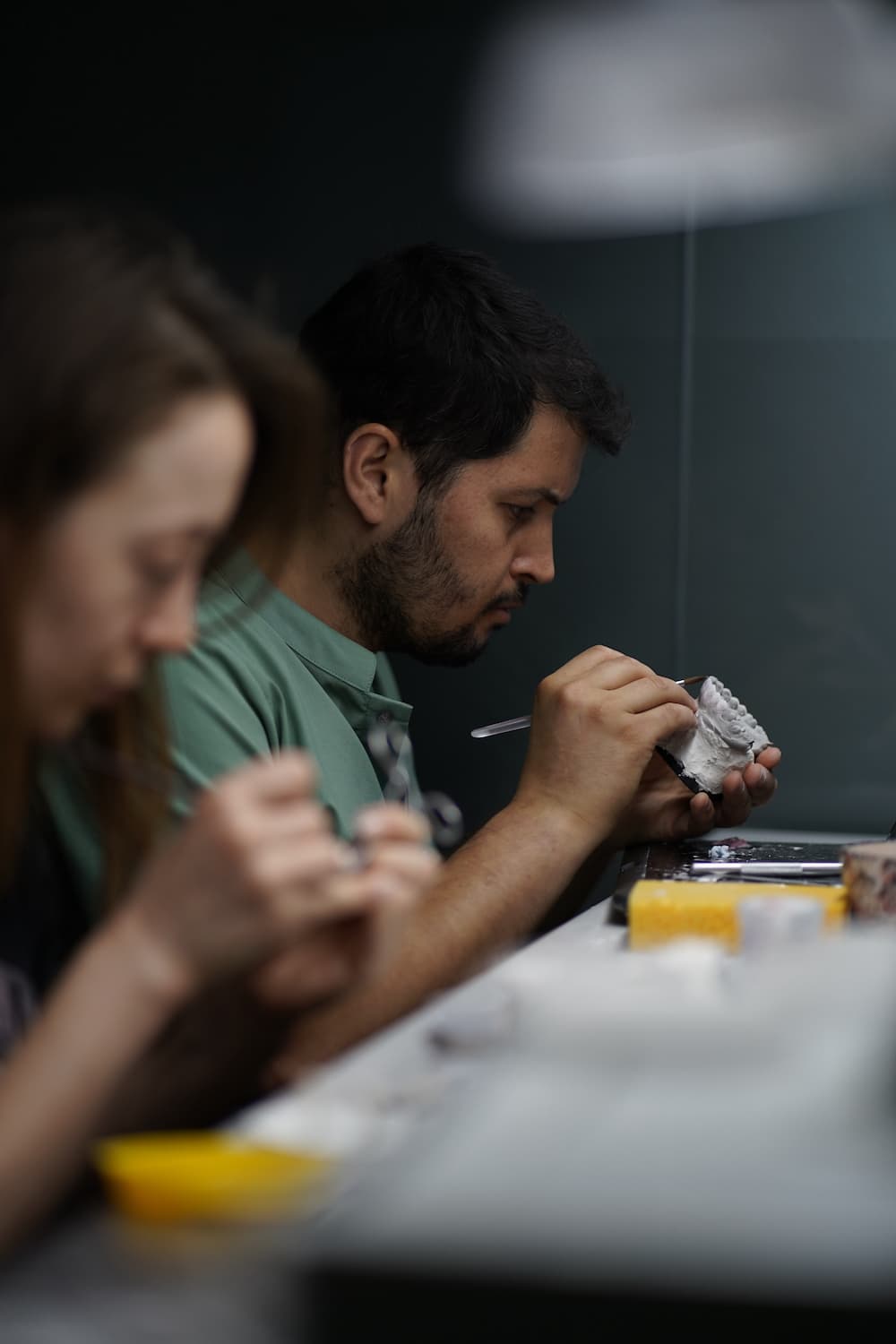
In dentistry, it is rare that a clinic owns a lab because it is costly. However, it is crucial for Maltepe Dental Clinic to have an in-house lab because Maltepe Dental Clinic aims to provide the best aesthetic and customized solutions for the patients. In-house lab enables the clinic to monitor the quality, and doctors and lab technicians work closely to create the most aesthetic customized smiles based on patients’ wants and needs.
Thanks to the in-house laboratory, any change requests by the patient during the rehearsals are met within hours, so that the patients are worry-free whether or not their special requests will be completed before their visits end.
Our dental lab is equipped with the cutting-edge technology such as CAD/CAM stations, 3D printers, Zirconium and EMAX ovens and sophisticated camera scanners.
Of course, just having such equipment doesn’t help much unless there are well-trained and experienced people to make the most of it. Maltepe Dental Clinic hires the most competent professionals only. Therefore, we can ensure the satisfaction of our patients.
Thanks to our high-end technology in-house lab, we can provide patients with many benefits. The advantages we offer include but are not limited to:
Ideally, you send us an xray picture, and our dentists examine your case. After we agree on the treatment, we schedule your appointments and send you the details of your treatment plan.
Before we start your treatment, we will do one more consultation and physically examine your teeth. Local anesthesia is sufficient for a dental implant procedure. Under hygienic conditions, we begin with preparing the vents for the dental implants by using a specific dental bur. We fit the implants carefully in these vents and seal the upper sides with stitches. After the operation, you can prevent swellings by cooling your cheeks with ice at an interval of 5 minutes. Please be aware that smoking defers wound healing! After the surgery, you should take the prescribed antibiotics, eat smaller meals at frequent intervals, and drink lots of water. If needed, we will make temporary dentures for you.
The stitches are removed after one week. Typically, 3 days of stay is sufficient for an implant operation. You can either stay here for the stitches or may go back home and have the local dentist take the stitches out. To prevent the creation of bacteria, we recommend you to be careful with your oral hygiene and use mouthwashes.
After 2 to 6 months, you will visit our dental clinic in Turkey again. We prepare the implants for the crown fitting and take the necessary measurements. Then our lab technician and dentist work closely together to make your crown look like your natural tooth.
Dental implants are carried out all over the world, and they are one of the most effective dental treatments that help restore missing teeth. Not surprisingly, many questions are popping up in patients’ minds. In this section, some of the most frequently asked questions are answered for you if you are looking for Dental implants in Turkey.
They can last around for 20-25 years.
They are usually as follows:
Normally, it takes 1-2 hours.
The dental implant cost can start from $500, but it might climb higher as much as $2,000 depending on various factors. For example, full mouth dental implants cost will be higher than a single tooth implant cost. Also, you can find more affordable dental implants in certain countries such as Turkey or India.
Basic dental insurances don’t typically cover the cost of a dental implant as it is considered to be a cosmetic procedure.
Dental implants will feel normal within the 6-12 weeks following the surgery.
The procedure is painless as your mouth is numbed during the surgery. However, you might feel some pain or discomfort for 1-2 days.
If the patient doesn’t need much tissue or bone surgery during the procedure, the pain takes only 1-2 days. Otherwise, you might feel some pain or tenderness for up to 7 days.
It depends on the patient’s needs and expectations as well as on the budget. Some of the best dental implant brands listed by Maltepe Dental Clinic are:
Dental implants can last a lifetime if;
According to an article published in the International Journal of Dentistry, in 2021, tooth extraction creates greater pain intensity compared to implant surgery.
Depending on the case of the individual patient, one or more of the following treatments can be offered as alternatives to the dental implants in Turkey