
No-Prep vs. Porcelain Veneers: Differences, Pros & Cost (2026 Guide)

Last updated on December 26th, 2025

Deciding between No-Prep Veneers and standard veneers often comes down to one critical factor: the amount of tooth structure you are willing to remove. While No-Prep veneers offer a largely reversible solution by requiring little to no drilling (0-0.2mm), standard porcelain veneers remain the definitive choice for masking deep discoloration or aligning crowded teeth through a minimally invasive (0.5-0.7mm) preparation. For international patients, the decision is also financial; receiving this premium treatment in Turkey costs approximately €250–€350 per tooth—a significant saving compared to the €800–€2,500 price tag in the UK or USA—without compromising on the 10-15 year expected longevity. In this guide, Maltepe Dental Clinic provides a transparent, fact-based comparison to help you choose the right path for your dental anatomy in 2026.

What Are No-Prep (Minimal-Prep) Veneers?

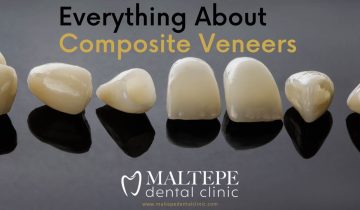
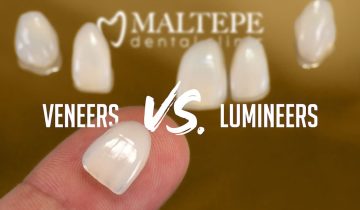
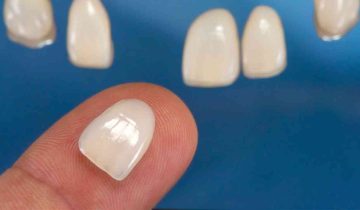
No-Prep veneers are ultra-thin laminates, approximately 0.2mm to 0.3mm thick, that bond directly to the tooth enamel with minimal surface removal. Often compared to the thickness of a contact lens, these veneers utilize advanced materials like E.max to provide strength without the bulk, making them a popular choice for patients seeking a reversible solution.

While brands like Lumineers® popularized this method, modern dentistry now uses advanced materials like E.max to achieve even stronger and more aesthetic results without the bulk.

  • Best for: Adding volume to small teeth, closing minor diastemas (gaps), and fixing minor chips.
  • The Advantage: In many cases, no anesthesia is needed, and the process preserves your natural tooth structure.

What Are Porcelain Veneers?

Porcelain veneers are thin, custom-made ceramic shells designed to cover the front surface of your teeth to hide deep discolorationchips, or misalignment. They are considered the “gold standard” in cosmetic dentistry for their ability to mimic the light-reflecting properties of natural teeth while offering high durability.

To place them, a dentist must gently remove a thin layer of your natural enamel (usually 0.5-0.7mm). This preparation is crucial because it creates space for the veneer, ensuring it sits flush with your gum line and doesn’t look “thick” or artificial.

If you have severe discoloration or alignment issues, you can learn more about the procedure on our cosmetic dentistry page for porcelain veneers.

What Are the Differences Between Non-Prep and Porcelain Veneers?

Choosing between these two options involves more than just price preference; it is a decision based on the biological preservation of your teeth and the aesthetic outcome you desire. Below, we analyze the key differences in preparation, reversibility, and comfort.

Does One Require More Drilling Than the Other?

Yes, the most significant difference is the amount of enamel required to be removed. Porcelain veneers require shaving down approximately 0.5-0.7mm of the tooth surface to create space for the ceramic shell, ensuring it does not look “thick.” In contrast, Non-Prep veneers are an additive procedure in which ultra-thin laminates (0.2mm) are bonded directly to the existing tooth surface with little to no drilling (micro-abrasion only).

Is the Procedure Reversible?

Non-prep veneers are generally considered reversible, whereas standard porcelain veneers are not. Because non-prep veneers leave the underlying tooth structure largely intact, they can theoretically be removed, restoring the original tooth. However, once teeth are shaved for standard porcelain veneers, the enamel cannot grow back, meaning the tooth will always require a veneer or crown for protection.

Will I Need Anesthesia?

Standard porcelain veneers usually require local anesthesia to prevent sensitivity during the dentist’s removal of the enamel layer. Conversely, the non-prep veneer procedure is minimally invasive and typically painless, so most patients do not require injections or numbing agents during treatment.

Do Non-Prep Veneers Look Bulky?

Non-prep veneers can look bulky when placed on already large or protruding teeth, as they add an extra layer to the tooth’s surface. Standard porcelain veneers avoid this “chunky” appearance by removing a layer of enamel first, allowing the new veneer to maintain the tooth’s natural profile and alignment.

In this table, we provide a side-by-side comparison of No-Prep and Porcelain Veneers, allowing you to quickly evaluate critical factors such as enamel preservation, anesthesia requirements, and treatment reversibility to determine which option best aligns with your needs.

FeatureNo-Prep / Minimal Prep VeneersPorcelain Veneers
Enamel RemovalNone or Micro-abrasion (0-0.2mm)Standard reduction (0.5-0.7mm)
AnesthesiaRarely neededYes (Local Anesthesia)
ReversibilityReversible (mostly)Irreversible
Ideal CandidatesSmall teeth, gaps, fear of drillingDiscolored, crowded, or larger teeth
MaterialE-max or Feldspathic PorcelainE-max, Zirconia, or Porcelain
Treatment Time5-7 Days (in Turkey)5-7 Days (in Turkey)
Lifespan10-15+ Years15-20 Years

Who Is the Ideal Candidate for No-Prep Veneers?

The ideal candidate for no-prep veneers is someone with small teeth, gaps (diastema), or retroclined teeth who wants to add volume without drilling. Conversely, if you have crowded, overlapping, or large teeth, standard porcelain veneers are the better choice for aligning and contouring your smile without making it look unnatural or “horsy.”

In this video, Laura from Maltepe Dental Clinic breaks down exactly who benefits most from this “zero-drilling” technique and why tooth size and lip structure play a crucial role in the final result.

What Does Science Say? (Clinical Longevity Studies)

You might worry that because No-Prep veneers are thinner, they are weaker or prone to falling off. However, current clinical research suggests exactly the opposite: adhesion to enamel is the key to longevity.

A groundbreaking 2022 study published in the Journal of Esthetic and Restorative Dentistry compared the long-term performance of conventional vs. no-prep veneers. The results were striking:

  • No-Prep Veneers: Showed a 100% survival rate over a 9-year observation period.
  • Key Finding: Researchers concluded that minimal intervention (preserving enamel) significantly reduces the risk of biological complications, such as sensitivity or debonding [1].

Furthermore, a landmark 21-year study by Layton and Walton followed patients with veneers bonded to enamel. They reported a 96% survival rate at 10 years and 91% at 20 years [2].

  • The Verdict: Because No-Prep veneers are bonded directly to the enamel prism (the strongest layer of the tooth), the chemical bond is incredibly durable—often stronger than the natural tooth itself.

How Much Do Veneers Cost in Turkey vs. the UK/USA? (2026 Prices)

Veneers in Turkey cost significantly less than in Western Europe or the USA, averaging €250–€350 per tooth compared to €800–€2,500 abroad for the same materials. This price difference is due to lower operational costs in Turkey, not a difference in quality, allowing patients to access premium brands like Ivoclar Vivadent E.max at a fraction of the price.

Here is a typical cost breakdown (per tooth) for 2026:

CountryNo-Prep / E-max Veneer CostPorcelain Veneer Cost
UK€700 – €1,200€600 – €1,000
USA$1,500 – $2,500$1,200 – $2,000
Germany€800 – €1,400€700 – €1,200
Turkey (Average)€200 – €350€250 – €350

Note: Prices in Turkey often include VIP transfers and accommodation packages for full smile makeovers (16-20 teeth).

Which One Should You Choose?

Choose No-Prep Veneers If:

  • You have small teeth or spaces between your teeth (diastema).
  • Your teeth are straight, but you want to improve the color or shape permanently.
  • You have a phobia of dental drills or needles.
  • You prioritize preserving your natural tooth structure above all else.

Choose Porcelain Veneers If:

  • You have dark staining (like tetracycline stains) that requires a thicker shell to mask.
  • Your teeth are crowded, overlapping, or crooked (Instant Orthodontics).
  • Your teeth are already large; adding a non-prep layer would make them look unnatural.

References

  1. Smielak B, Armata O, Bojar W. (2022). A prospective comparative analysis of the survival rates of conventional vs no-prep/minimally invasive veneers over a mean period of 9 years. Journal of Esthetic and Restorative Dentistry, 34(4).
  2. Layton D, Walton T. (2012). The up to 21-year clinical outcome and survival of feldspathic porcelain veneers: accounting for clustering. International Journal of Prosthodontics, 25(6).
  3. Gurel G, et al. (2013). The influence of substrate color and preparation design on the survival of porcelain laminate veneers. The International Journal of Periodontics & Restorative Dentistry, 33(3).

Related Posts
Patient Story: Stunning Smile with Crowns & Veneers in Istanbul | Maltepe Dental Clinic
Perfect Smile Crowns & Veneers in Istanbul

Considering dental crowns or veneers in Istanbul? Read Ros's real patient story about her experience Read more

Veneers Vs. Lumineers: Which Option Is Better?
veneers vs lumineers

Veneers vs. Lumineers: Which smile makeover is best for you? A detailed comparison of cost, Read more

Min-Prep Veneer Experience in Istanbul
emax veneer zirconia after image

David visited Maltepe Dental Clinic (MDC) from Germany. He is an investor and a true Read more

Emax Veneers & Zirconia Experience in Turkey
happy patient after veneer treatment

Our lovely patient Joe and his wife visited us from the USA. This great couple Read more

Amber Quinn’s Smile Transformation: Laminate Veneers in Istanbul | Maltepe Dental Clinic
turkey emax veneer treatment after image

Follow social media influencer Amber Quinn's journey! See how she achieved a stunning smile transformation Read more

Top 7 Dental Veneer Brands
best veneer brands

Discover the best dental veneer brands and types for a perfect smile. Compare E-max, Lumineers, Read more

Please fill in the form to get more information.

GDPR

WhatsApp Icon
blank
Maltepe Dental ClinicAntworten innerhalb 1 Stunde.
x
blank
Maltepe Dental ClinicRépond généralement dans lheure.
x
blank
Maltepe Dental ClinicTypically replies within 1 hour.
x
blank
Maltepe Dental ClinicОбычно отвечает в течение 1 часа.
x