
Most patients invest significant time researching which veneers to get. Far fewer invest the same effort into understanding how to keep them. That gap matters more than people realise. Porcelain veneers can last 15 to 20 years with proper care, or fail in as few as 5 to 7 years without it. The difference almost never comes down to the material or the dentist. It comes down to what happens after you leave the clinic.
The good news is that veneer aftercare is not complicated. It does not require special equipment, expensive products, or a completely new daily routine. The foundations are the same as for natural teeth: consistent brushing, daily flossing, sensible dietary habits, and regular check-ups. What changes is the level of attention you bring to each of those habits, and a small number of products and behaviours you will need to avoid.
This guide covers everything in detail: daily oral hygiene, diet, products to use and avoid, nightguard guidance, how porcelain and composite veneers differ in their care needs, warning signs to watch for, and what to do if something goes wrong. In this post, you will also find a complete Do and Avoid reference table you can save and refer back to at any point.
Why Veneer Aftercare Matters More Than Most Patients Expect
Veneers are durable, but they are not indestructible. Porcelain is non-porous and resistant to staining, but the bonding resin that holds each veneer to the tooth can degrade over time if exposed to certain substances. The natural tooth underneath the veneer still requires protection from bacteria and decay. The gumline around each veneer needs careful daily attention to prevent recession. And the porcelain itself, while strong, can chip or fracture under forces it was not designed to withstand.
Studies published in the Journal of Prosthetic Dentistry consistently show that the most common causes of veneer failure are not manufacturing defects or poor placement. They are bruxism (teeth grinding), inadequate oral hygiene leading to gum recession, and mechanical damage from biting hard objects. All three are directly influenced by patient behaviour after treatment. The clinical quality of your veneers determines their ceiling; your aftercare determines how close you get to it.
Our porcelain veneers and composite veneers service pages include specific aftercare guidance from our clinical team, along with details of what each treatment involves.
What Does a Daily Veneer Care Routine Actually Look Like?
The single most important thing you can do for your veneers is maintain excellent daily oral hygiene. This sounds obvious, but many patients make specific errors that gradually damage their veneers without realizing it.
Brushing
Brush at least twice daily, including before bed. Use a soft-bristled toothbrush — medium- or hard-bristled brushes can scratch the surfaces of both porcelain and composite veneers over time, dulling their finish and creating micro-abrasions where staining can accumulate.
Use a non-abrasive fluoride toothpaste. Avoid whitening toothpastes entirely. They contain abrasive particles or peroxide-based compounds designed to act on natural enamel. These do nothing to brighten porcelain (which cannot be whitened), but they will gradually scratch composite veneers and degrade the polish on both types. Look for toothpastes labelled low-RDA (Relative Dentine Abrasivity), ideally below 70.
Use gentle, circular motions rather than horizontal scrubbing. Pay particular attention to the gumline along each veneered tooth, where bacteria can accumulate and early gum recession often begins.
Flossing
Floss once a day, ideally in the evening before brushing. Standard dental floss works well, though waxed floss tends to slide more easily through tight contacts without catching on veneer margins. Water flossers (oral irrigators) are also highly effective and gentle on both veneers and gum tissue. Avoid overly aggressive flossing techniques at the gumline — the goal is to disrupt plaque at the margin of the veneer, not to snap the floss forcefully against the gum.
Mouthwash
Use an alcohol-free antiseptic mouthwash daily. This is not optional for veneer patients. Alcohol-containing mouthwashes can gradually soften and degrade the bonding resin at veneer margins, reducing the seal between the veneer and the tooth. Over months and years, this creates microscopic gaps where bacteria can penetrate. Alcohol-free alternatives are equally effective at controlling bacteria and are widely available.
Which Products Should You Use and Avoid?
Product choices have a direct and cumulative impact on veneer longevity. The following table provides clear guidance on what is safe and what should be avoided.
| DO | AVOID |
| Soft-bristled manual or electric toothbrush | Medium or hard-bristled toothbrush |
| Non-abrasive fluoride toothpaste (RDA below 70) | Whitening toothpaste or baking soda toothpaste |
| Waxed dental floss or water flosser | Unwaxed floss (can snag on margins) |
| Alcohol-free antiseptic mouthwash | Alcohol-based mouthwash |
| Fluoride gel or prescription fluoride (as advised by dentist) | At-home whitening strips or trays (no effect on porcelain, can damage composite) |
| Custom-fitted night guard if grinding | Abrasive dental powders |
| Sensitivity toothpaste if needed (non-whitening) | Any product not recommended by your dentist |
In this video, the Maltepe Dental Clinic team walks through the complete daily veneer care routine, covering the right brushing technique, product choices, and the habits that most commonly cause premature veneer damage.
What Should You Eat, Drink and Avoid With Veneers?
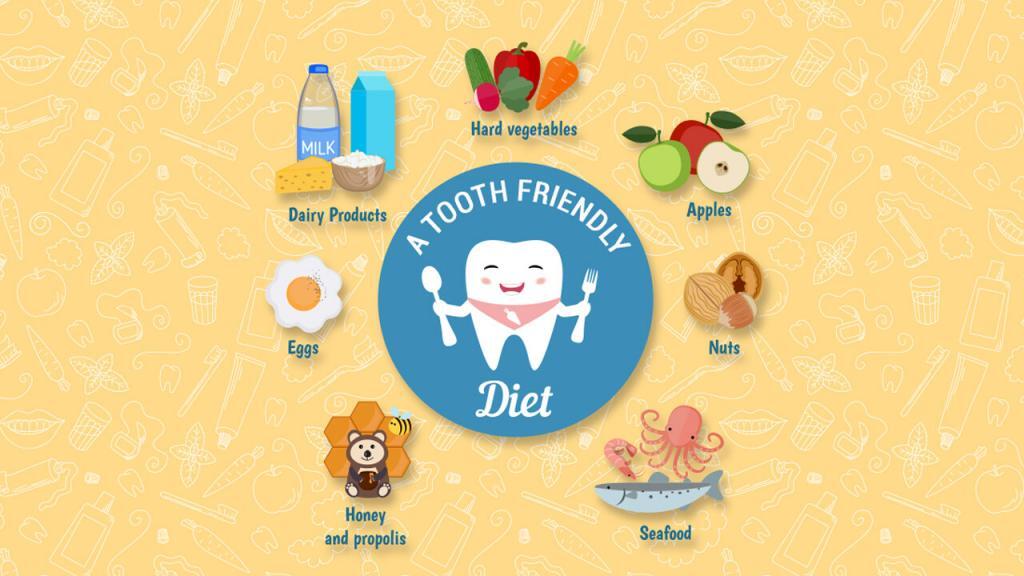
Your dietary habits significantly impact veneer longevity, particularly for composite veneers, which are more susceptible to staining and surface wear than porcelain veneers. Even with porcelain, certain foods and habits accelerate wear on the bonding resin and the adjacent natural tooth structure.
Foods and Drinks to Limit
- Staining foods and drinks (coffee, tea, red wine, beetroot, berries): Porcelain itself will not stain, but the bonding resin at veneer margins will gradually discolour with prolonged exposure. Composite veneers absorb pigments more readily throughout the veneer surface. Rinse with water immediately after consuming staining foods or drinks rather than waiting to brush.
- Fizzy drinks: The acidity in carbonated beverages erodes natural enamel around veneer margins, weakening the bond site over time and increasing sensitivity. Diet fizzy drinks are equally acidic.
- Hard foods: Crusty bread, hard nuts, raw carrots, and similar foods are fine to eat but should be bitten carefully. Avoid using veneered front teeth to bite through particularly hard or resistant items.
- Alcohol: Frequent alcohol consumption weakens the bonding resin and contributes to dry mouth, reducing saliva’s natural protective role.
- Tobacco and smoking: Nicotine stains accumulate at veneer margins and on adjacent teeth, creating visible discolouration over time. Smoking also impairs gum health and healing, which can accelerate gum recession around veneers.
Habits That Damage Veneers
- Biting nails: One of the most common causes of chipped veneers. The repetitive lateral force on the veneer edge is exactly the kind of load porcelain is not designed to withstand.
- Chewing pen caps or hard objects: Same mechanism as nail biting. These habits concentrate force on a narrow point on the veneer edge and can cause fractures.
- Using teeth as tools: Opening packaging, pulling tags off clothing, and holding items with your teeth. Each instance risks chipping a veneer or dislodging a bonding margin.
- Ice chewing: Chewing ice is particularly damaging because porcelain and the cold ice expand and contract at different rates, creating stress fractures over time.
Nightguards and Teeth Grinding
Bruxism, the habit of grinding or clenching teeth during sleep, is one of the most significant threats to veneer longevity. Many patients are unaware they grind their teeth until a dentist identifies the signs during a check-up. If you have been told you grind your teeth, or if you wake with jaw soreness, headaches, or worn teeth, this section is particularly important for you.
Natural teeth can, to a degree, withstand the repeated forces of grinding over time. Veneers cannot sustain the same abuse indefinitely. The lateral grinding forces concentrate on the veneer edge and the bonding margins in a way that normal biting does not. Porcelain veneers can fracture. Composite veneers will wear down quickly. In both cases, bruxism is the leading cause of premature veneer replacement.
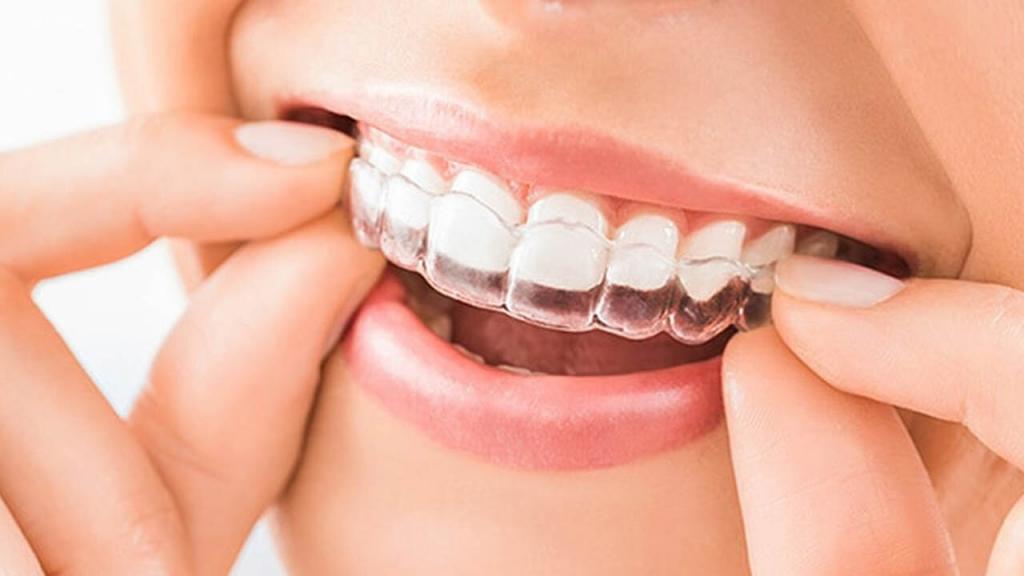
A custom-fitted night guard is the clinical standard for protecting veneers in patients who grind their teeth. Custom guards are made from impressions of your teeth and fit precisely over the veneer surfaces, distributing force evenly and preventing direct veneer-to-veneer contact that can cause damage. Over-the-counter boil-and-bite guards provide some protection but do not fit with the same precision and can themselves exert uneven forces on veneers.
At Maltepe Dental Clinic, we routinely assess for signs of bruxism at consultation and recommend a night guard as part of any veneer treatment plan where grinding is suspected or confirmed. Even patients without a diagnosed grinding habit benefit from wearing a night guard, as it provides a buffer against any unconscious clenching that occurs during sleep. Wearing a night guard consistently can extend veneer lifespan from the typical 15 years to 20 years or beyond.
Regular Dental Check-Ups
Visiting your dentist every six months is not an optional extra for veneer patients. It is a core part of the aftercare protocol. There are several reasons why professional check-ups are particularly important after veneer treatment.
- Early detection of marginal issues: Veneer margins can gradually accumulate staining or show early signs of bond degradation that are invisible to the patient but easily managed when caught early. If left unaddressed, these can progress to full debonding or decay of the natural tooth underneath.
- Professional cleaning: Ultrasonic scalers used in professional cleaning are safe for veneers. They remove calculus from around veneer margins that brushing and flossing cannot reach, protecting the gum attachment around each veneered tooth.
- Monitoring gum health: Gum recession around veneers exposes the natural tooth structure below the veneer, which is more susceptible to staining and decay than porcelain. Catching early recession allows preventive measures to be taken before the veneer itself is compromised.
- Night guard adjustment: Night guards gradually wear and may need periodic assessment or replacement to maintain effective protection.
- Bite assessment: Changes in the bite over time can concentrate force unevenly on the veneers. A regular check-up ensures the occlusion remains balanced.
For patients who received their veneers at Maltepe Dental Clinic and are returning to the UK, we recommend registering with a local NHS or private dentist for ongoing six-monthly check-ups. Our team remains available for remote consultations and will communicate your treatment records to any UK dentist on request.
Porcelain vs Composite Veneers: How Their Aftercare Differs
The core daily routine is the same for both materials. However, there are important differences in how each type responds to certain habits and products over time.
| Aftercare Factor | Porcelain Veneers | Composite Veneers |
|---|---|---|
| Stain resistance | Excellent. Porcelain is non-porous and will not absorb pigments throughout its lifespan. | The entire veneer surface can discolour progressively. Polishing and eventual replacement expected. |
| Surface polish | Maintained naturally. Cannot be re-polished once the factory glaze is worn. | Can be restored with chairside polishing. Schedule a polish every 12 to 18 months. |
| Whitening products | No effect on porcelain. Do not use on adjacent natural teeth after veneers are placed. | A composite can be repaired by adding fresh resin. Most chips are a simple chairside fix. |
| Repair if chipped | Porcelain cannot be reliably bonded to itself. A chip usually means full veneer replacement. | Low. The porcelain surface is very hard and resistant to scratching. |
| Sensitivity to abrasion | Moderate. Composite resin is more porous than porcelain and gradually absorbs pigments. | Higher than porcelain. Whitening toothpastes and abrasive products will visibly scratch composite. |
| Staining over time | Bonding resin at margins can discolour. The veneer itself will not. | The entire veneer surface can discolour progressively. Polishing and eventual replacement are expected. |
For a full side-by-side comparison of both materials, including lifespan data and cost, read our guide: Composite vs Porcelain Veneers: Which Is Right for You?
The First Two Weeks After Getting Veneers
The period immediately after veneer placement requires some additional care while the bonding resin fully cures and your gums adjust to the new restorations.
- Avoid very hard or crunchy foods for the first 48 hours: The bonding resin reaches its peak strength within 24 to 48 hours. Treat the veneers gently during this initial period.
- Expect some mild sensitivity: Sensitivity to hot and cold is normal for the first few days after tooth preparation. It typically resolves once the permanent veneers are in place and the bonding resin has cured. If sensitivity persists beyond two weeks, contact your dentist.
- Avoid heavy-staining foods in the first week: The bonding resin is slightly more susceptible to staining during the first 24 to 48 hours after it sets.
- Bite carefully: Your bite may feel slightly different initially as you adjust to the new veneer thickness. This is normal and usually resolves within a week. If the bite feels uneven or causes discomfort, contact your clinic for a minor adjustment.
- Do not use your veneered teeth to bite into hard objects: This is important throughout the lifespan of your veneers, but particularly so in the first two weeks.
Warning Signs: When to Contact Your Dentist
Most veneer problems develop slowly and are caught at routine check-ups before they become serious. However, some situations require prompt attention. Contact your dentist if you notice any of the following:
- A veneer has come off or become loose: Do not attempt to reattach it yourself. Store the veneer carefully and contact your clinic. In many cases, a debonded veneer can be rebonded without fabricating a new one.
- A chip or crack in the veneer: Small chips in composite can often be repaired simply. Cracks in porcelain may require replacement. Either way, leave it to your dentist to assess.
- Persistent sensitivity beyond two weeks: This may indicate that the underlying tooth requires attention or that the bonding margin has been compromised.
- Visible darkening at the gumline: This can indicate early gum recession exposing the natural tooth root, staining at the bonding margin, or, in rare cases, decay beginning at the margin. All are manageable when caught early.
- Bleeding gums specifically around veneered teeth: Localised bleeding around veneered teeth may indicate that plaque is accumulating at the margin and early gum inflammation is beginning. Improve flossing technique in the area and see your dentist if it persists beyond two weeks.
- Your bite feels uneven or has changed: Over time, veneers can wear in ways that alter the bite. This is usually a simple adjustment at a check-up, but should not be left unaddressed, as an uneven bite can concentrate excessive force on specific veneers.
How Long Will Your Veneers Last With Good Aftercare?
The clinical evidence is clear: aftercare is the single greatest determinant of veneer lifespan, beyond the quality of the material and placement.
| Scenario | Expected Lifespan |
| E-max porcelain, good aftercare, no bruxism | 15 to 20 years |
| E-max porcelain, good aftercare, night guard | Up to 20 years or more |
| E-max porcelain, poor oral hygiene | 8 to 12 years |
| E-max porcelain, untreated bruxism | 5 to 8 years |
| Direct composite, good aftercare | 5 to 7 years |
| Direct composite, regular polishing | Up to 8 to 10 years |
| Direct composite, staining habits | 3 to 5 years before visible discolouration |
In this video, Amy from the UK shows the condition of her E-max laminate veneers five years after treatment in Istanbul, with no chipping, no discoloration, and healthy gums throughout. A real-world illustration of what consistent aftercare achieves.
Frequently Asked Questions
Can I whiten my veneers?
No. Porcelain is non-porous and does not respond to whitening agents. Composite resin can be damaged by whitening products. If you want a brighter shade, teeth whitening must be completed before your veneers are fabricated, so the ceramist can match the colour to your freshly whitened teeth.
What toothpaste is safe for veneers?
Any non-abrasive fluoride toothpaste with an RDA below 70 is suitable. Look for toothpastes specifically labelled as gentle, sensitive, or low-abrasion. Avoid whitening toothpastes, charcoal toothpastes, baking soda toothpastes, and any product with visible grit or granules.
Can I use an electric toothbrush with veneers?
Yes. Electric toothbrushes are safe and often more effective at plaque removal than manual brushing. Use a soft brush head and avoid oscillating or sonic heads set to maximum intensity directly over veneer surfaces for prolonged periods. A gentle pressure setting is recommended.
Do I need a night guard even if I do not grind my teeth?
It is a strong recommendation even without a confirmed diagnosis. Many patients clench or grind subtly during sleep without being aware of it, and the forces generated are significantly higher than during waking hours. A custom night guard is a low-cost insurance policy against one of the most common causes of premature veneer damage.
How do I know if my veneer has come loose?
A debonded veneer usually feels different when you bite, or you may notice a slight movement or flexibility in the tooth when pressed. In some cases, there is a visible separation at the margin. If you suspect a veneer has come loose, avoid putting pressure on it and contact your dentist promptly. A loose veneer that is still in place can usually be rebonded.
My composite veneers look dull. Can they be restored?
Yes. Composite veneers lose their initial polish over time as the surface wears microscopically. A professional polish at your dentist can restore much of the original lustre. This is typically a quick, inexpensive procedure and is recommended every 12 to 18 months as part of routine composite veneer maintenance.
What happens to the natural tooth under the veneer?
The natural tooth remains a living tooth and remains fully susceptible to decay if bacteria penetrate the veneer margin. This is why daily oral hygiene, particularly at the gumline, is so important. A veneer covers the front surface of the tooth but does not protect the back, the root, or the contacts between teeth.
How much does it cost to replace veneers if they are damaged?
Replacement costs are broadly similar to the original placement cost, as each veneer needs to be fabricated from scratch in the laboratory. In the UK, a single porcelain veneer replacement typically costs £600 to £1,500. For patients who had their veneers placed at Maltepe Dental Clinic, replacement at MDC starts from £260 per tooth — significantly lower than UK prices even when travel is factored in. For a full breakdown of veneer costs in Turkey versus the UK, including what is included in treatment packages, read our guide: How Much Are Veneers in Turkey?
How long after getting veneers can I eat normally?
Most patients can resume a normal diet within 24 to 48 hours. During the first 48 hours, avoid very hard or crunchy foods while the bonding resin fully cures. Soft foods such as pasta, fish, eggs, and cooked vegetables are fine immediately after treatment. Sensitivity to hot and cold may persist for a few days; this is normal and will resolve.
| Questions About Your Veneers?Our clinical team is available for remote aftercare consultations. Whether you had your veneers placed at MDC or elsewhere, we can review photos and provide guidance on any concerns.Contact the MDC Team → |
SOURCES
- Layton, D., & Walton, T. (2007). An up to 16-year prospective study of 304 porcelain veneers. International Journal of Prosthodontics, 20(4), 389–396.
- Aslan, Y.U., Uludamar, A., & Ozkan, Y. (2019). Retrospective analysis of lithium disilicate laminate veneers applied by experienced dentists: 10-year results. International Journal of Prosthodontics, 32(6), 471–474.
- Alenezi, A., Alsweed, M., Alsidrani, S., & Chrcanovic, B.R. (2021). Long-term survival and complication rates of porcelain laminate veneers in clinical studies: A systematic review. Journal of Clinical Medicine, 10(5), 1074.
- Granell-Ruíz, M., Agustín-Panadero, R., Fons-Font, A., Román-Rodríguez, J.L., & Solá-Ruíz, M.F. (2014). Influence of bruxism on survival of porcelain laminate veneers. Medicina Oral, Patología Oral y Cirugía Bucal, 19(4), e426–e432.