Last updated on November 20th, 2023
Welcome to an exploration of the captivating world of Hollywood Smiles—a phenomenon that transcends the glitz of the red carpet to embody the epitome of aesthetic dentistry. Enamored by the radiant smiles of Hollywood stars gracing the limelight, many seek to understand the secrets behind these flawlessly aligned, gap-free teeth. Beyond mere cosmetic enhancement, a Hollywood Smile represents a comprehensive approach to dental well-being, addressing misalignments, decays, discoloration, and more.
Crucially, the Hollywood Smile isn’t merely about aesthetics; it entails a holistic transformation. Procedures involved address fundamental dental concerns such as discoloration, chips, misalignment, or bite issues. This not only enhances smile aesthetics but also promotes improved oral health and functionality. Supported by a study in The Journal of Evidence-Based Dental Practice, maintaining good dental health can offer protection against serious health issues, including heart disease, diabetes, and cancer.
In this post, we unravel the allure of the Hollywood Smile, delving into its definition, the celebrities who have become synonymous with this iconic aesthetic, the intricacies of the procedures involved, and the factors influencing its cost and longevity. Join us on a journey to discover not only the cosmetic transformations that define a Hollywood Smile but also the profound impact it can have on self-confidence, oral health, and the enduring radiance of one’s smile.
What Is Hollywood Smile?
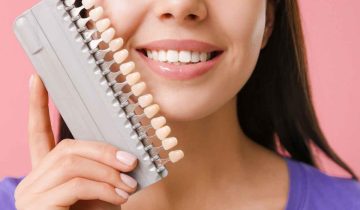
Hollywood smile is a dental procedure in which dental professionals deal with various problems stopping you from smiling esthetically. The problems typically involve misalignments, decays, chipping, discoloration, gaps, etc. To eliminate the issues, they usually use dental veneers together with some other treatments when necessary.
The procedures are conducted at a dental clinic or a dental professional’s office. In most cases, not just one dentist gives you this treatment directly, but a team of dental professionals discusses it with you before, during, and after the procedure.
Hollywood smile dental design is a simple procedure compared to its outcomes. You get rid of various dental problems and get the ideal teeth alignment and color, making you smile much better than ever. The results of the Hollywood smile procedure look very natural, and they last for a long time without requiring any more professional maintenance.
Who Are the Top Celebrities with Hollywood Smile?
Here are some of the celebrities known for their perfect Hollywood smiles:
- Tom Cruise: Known for his charismatic smile, he was mentioned as having the most attractive smile among male celebrities.
- Julia Roberts: Renowned for her radiant smile, she is often cited as having one of the most attractive smiles among female celebrities.
- Kate Middleton: Her smile, often described as iconic and royal, is also highly admired.
- Beyoncé: Known for her powerful stage presence, her smile is also highly requested in cosmetic dental offices.
- Gabrielle Union: Her smile is appreciated for its symmetry and natural appearance.
- Scarlett Johansson: She is known for her vibrant and natural-looking smile.
- George Clooney and Matthew McConaughey: These actors are noted for their charismatic smiles, often requested by male patients seeking smile makeovers.
- Cindy Crawford, Christie Brinkley, and Melania Trump: All three have frequently requested smiles due to their combination of teeth, lips, and overall smile aesthetics.
- Kim Kardashian West: Her smile is popular among different age groups for its natural and conservative appearance.
- Jessica Alba: Her smile is known for having a balanced ratio to her face, making it a popular request
- Catherine Zeta-Jones and Jessica Simpson: Their smiles are appreciated for their naturalness and the confidence they exude.
- Anne Hathaway: Known for a smile that is perfectly proportioned to her face, it’s a frequent request among younger patients.
This video is about the Hollywood smile journey of the celebrity Sherra Michelle, who is also a model and influencer.
What Is Hollywood Smile Procedure Like?
It is a comprehensive treatment plan that may involve a combination of procedures, such as teeth whitening, dental implants, crowns, dental veneers, and orthodontic treatment. In fact, there is no fixed procedure that dental professionals follow for all patients. So rather than adopting a one-size-fits-all approach, the procedure of Hollywood Smile is designed for each patient individually. Here are the most common procedures followed at dental clinics:
Teeth Whitening
The teeth whitening procedure can brighten your teeth by several shades, removing stains and discoloration caused by food, drinks, and aging. White teeth are probably the first thing that comes to our minds when we think of a Hollywood smile. So, it is no surprise that teeth bleaching is one of the most popular procedures carried out by dental clinics.
Dental Implants
Implants are surgically placed into the jawbone, providing a stable and natural-looking foundation for new teeth. If you have missing teeth hindering you from smiling like a Hollywood star, you might need to replace them. Dental implants are one of the most functional and aesthetic ways to replace your missing teeth. You can have stronger and better-looking teeth at the end of the procedure.
Crowns
Crowns can be a valuable component of a Hollywood smile procedure, helping to achieve a more aesthetically pleasing and functionally sound smile. They can cover up imperfections, repair damaged teeth, and even reshape the gum line. There are 2 main types of dental crowns: porcelain crowns and zirconium crowns.
Dental veneers
Dental veneers play a pivotal role in achieving the Hollywood smile, a coveted aesthetic characterized by perfect teeth. These thin, custom-made shells are meticulously bonded to the front surface of the teeth, seamlessly concealing a variety of imperfections and transforming the smile into a radiant masterpiece.
Dental veneers excel at masking discoloration, a common issue that can significantly detract from the overall attractiveness of the smile. In addition to their ability to cover up imperfections, dental veneers can also address misalignment issues. If your teeth are slightly crooked or rotated, veneers can be shaped and positioned to create a more symmetrical and harmonious appearance. This capability is particularly valuable in achieving the Hollywood smile standard, where teeth are aligned in a perfect arc, contributing to an overall sense of balance and beauty.
Orthodontic treatment
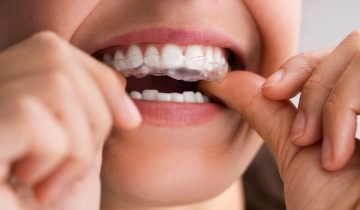
Achieving a Hollywood smile requires not only teeth whitening and brightening but also perfect alignment and bite correction. Orthodontic treatment plays a crucial role in achieving this goal. So, to have a perfect Hollywood smile, perfect teeth alignment is essential. Depending on the severity of misalignment, dentists may recommend retainers, braces, or Invisalign. Due to the longer duration of orthodontic treatment, it is often recommended as the first step in the Hollywood smile journey.
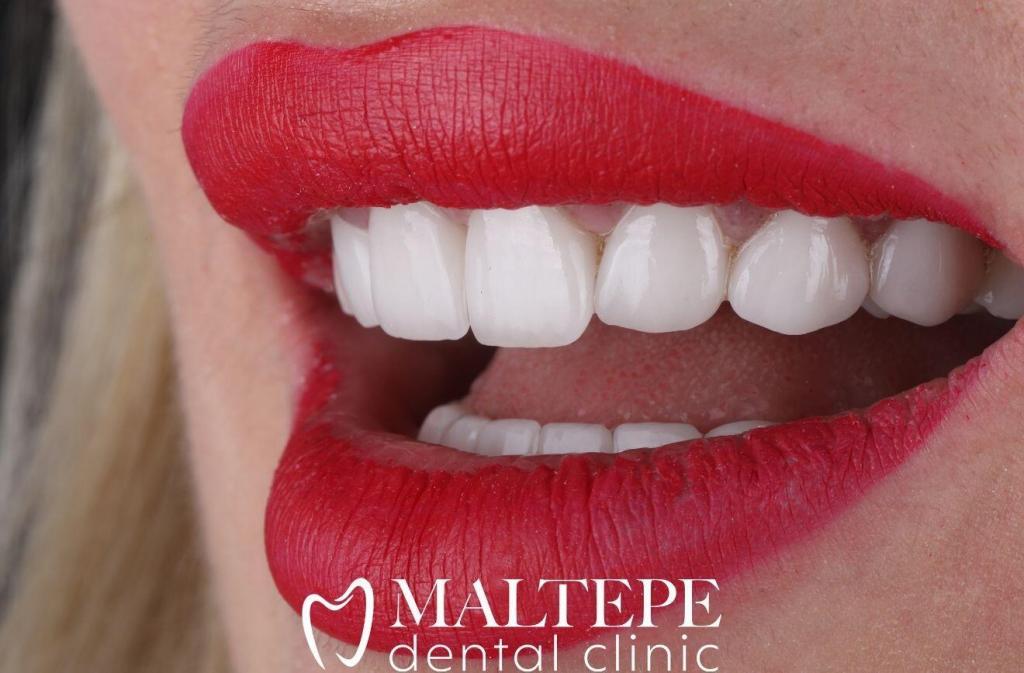
If you’re considering getting a Hollywood smile, you’re probably wondering how much it will cost. In the next section, we’ll discuss the factors that affect the cost of Hollywood smile procedures in Turkey.
How Much Does Hollywood Smile Cost In Turkey?
The cost of a Hollywood smile in Turkey can vary depending on the specific treatments required and the complexity of your individual case. However, here’s a general overview of the estimated costs for some common Hollywood smile procedures:
| Treatment | Estimated Cost |
| Dental Implant | $650-$1000 per tooth |
| Veneers | $350-$500 per tooth |
| Crowns | $300-$400 per tooth |
| Teeth Whitening (Bleaching) | $200-$250 per jaw |
| Gum Contouring | $400-$600 per jaw |
What Affects the Cost of Hollywood Smile?
The exact cost of your Hollywood smile makeover will depend on several factors, including:
- The extent of Treatment: The number and types of procedures required will significantly impact the overall cost. For instance, if you need multiple dental implants or extensive gum contouring, the cost will be higher than a simpler case involving just veneers or teeth whitening.
- Materials Used: The choice of materials, such as porcelain or zirconia for crowns and veneers, can also affect the cost. Higher-quality materials may come at a premium, but they offer greater durability and aesthetic appeal.
- Dental Clinic: The reputation and experience of the dental clinic can also influence the cost. Renowned clinics with experienced dentists may charge higher fees compared to smaller or less established practices.
- Location: Treatment costs may vary slightly depending on the location of the dental clinic within Turkey. Clinics in major cities like Istanbul or Antalya may have slightly higher costs due to higher operating expenses.
How Much Does The Cost Range for Hollywood Smile in Turkey?
As a general guideline, the total cost of a Hollywood smile makeover in Turkey typically falls within the range of $3,200 to $5,500. This range reflects the variations in treatment complexity, materials used, and clinic selection.
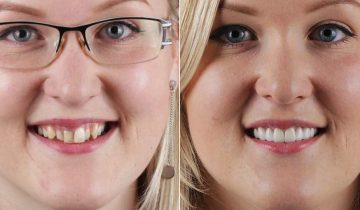
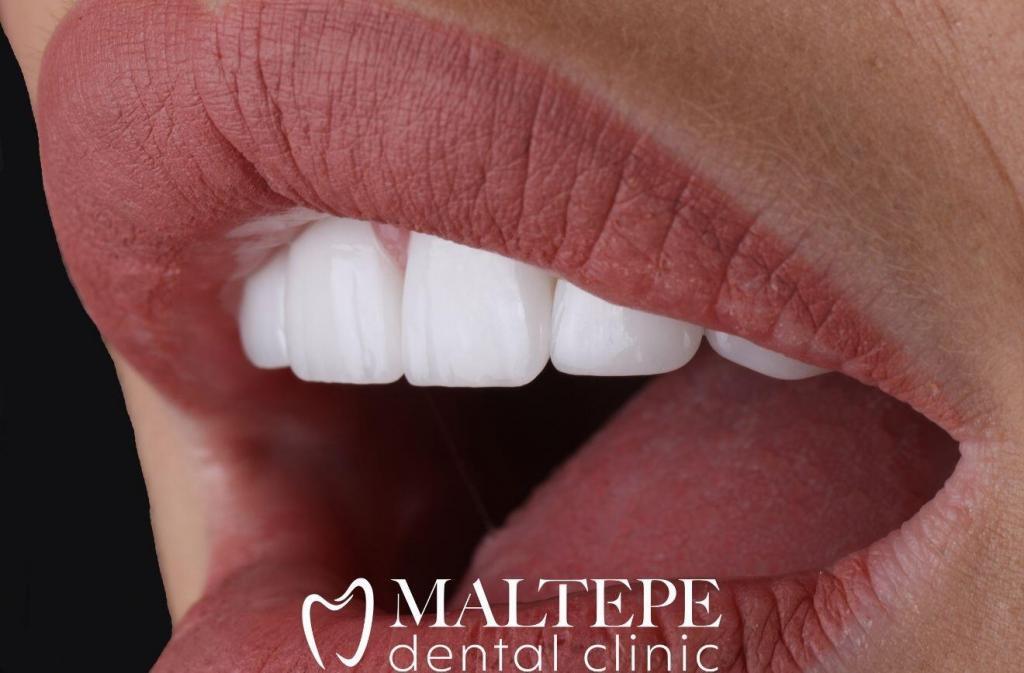
Before And After Images of Hollywood Smile
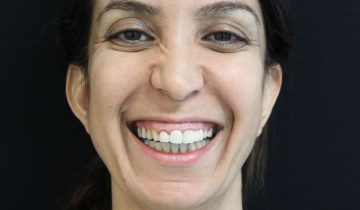
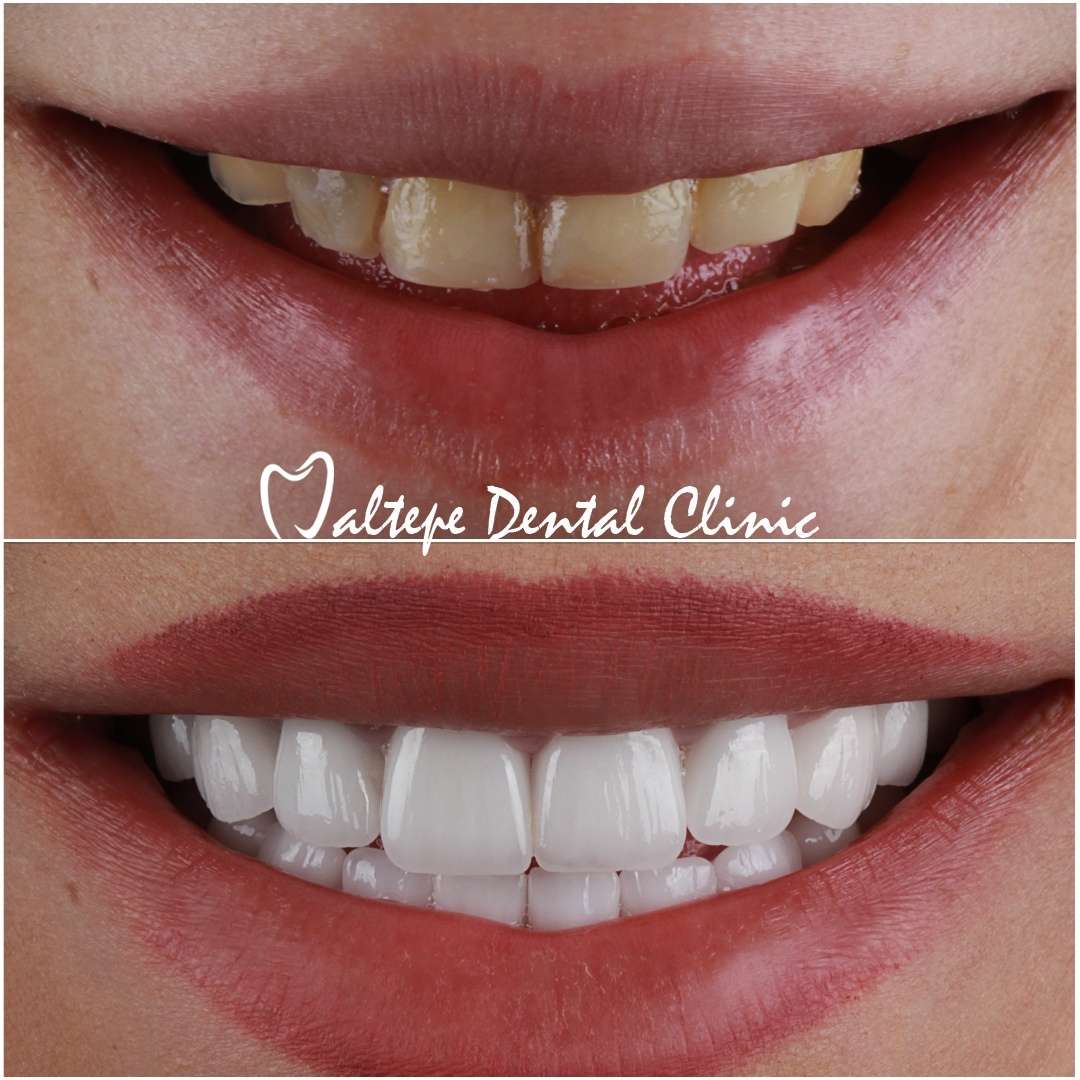
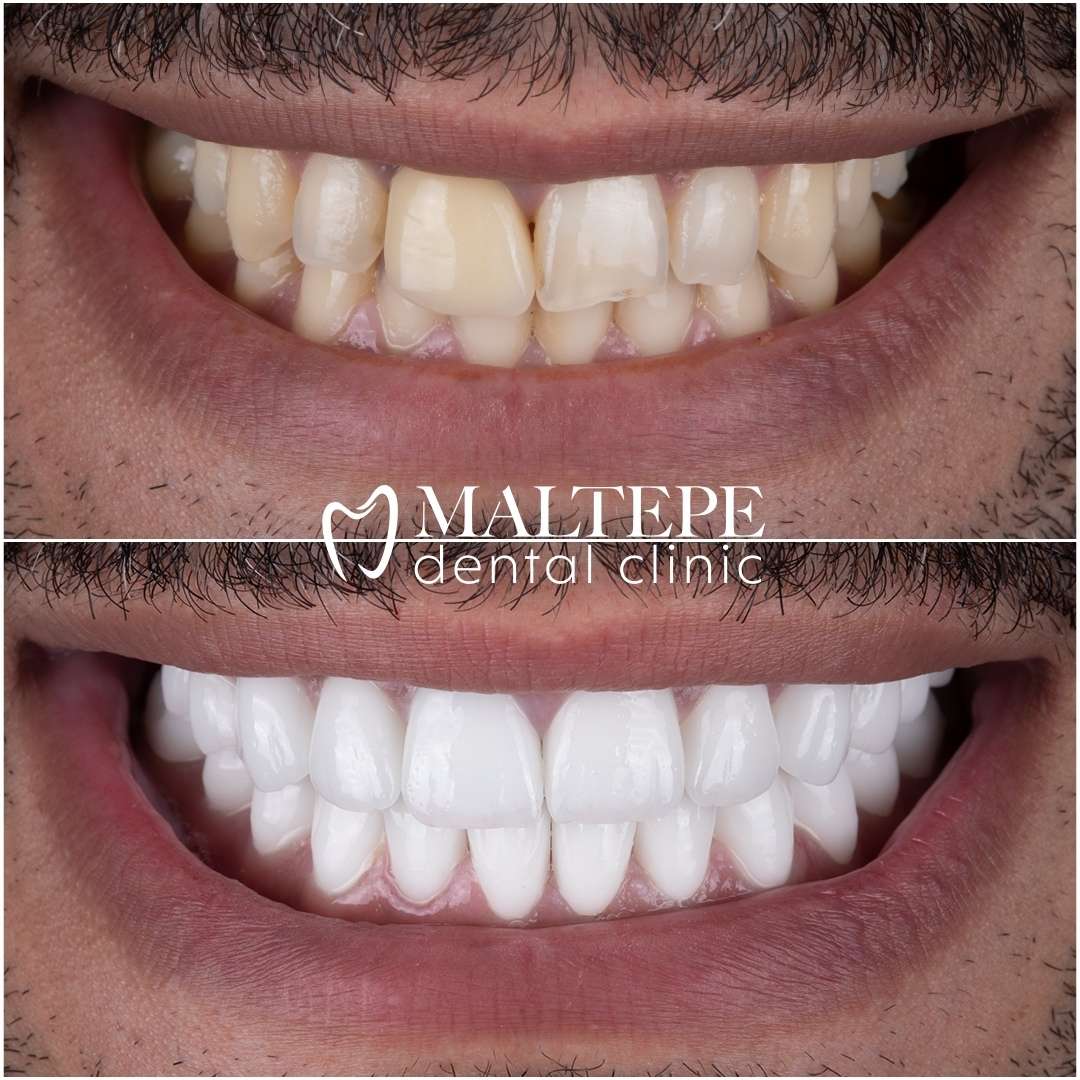
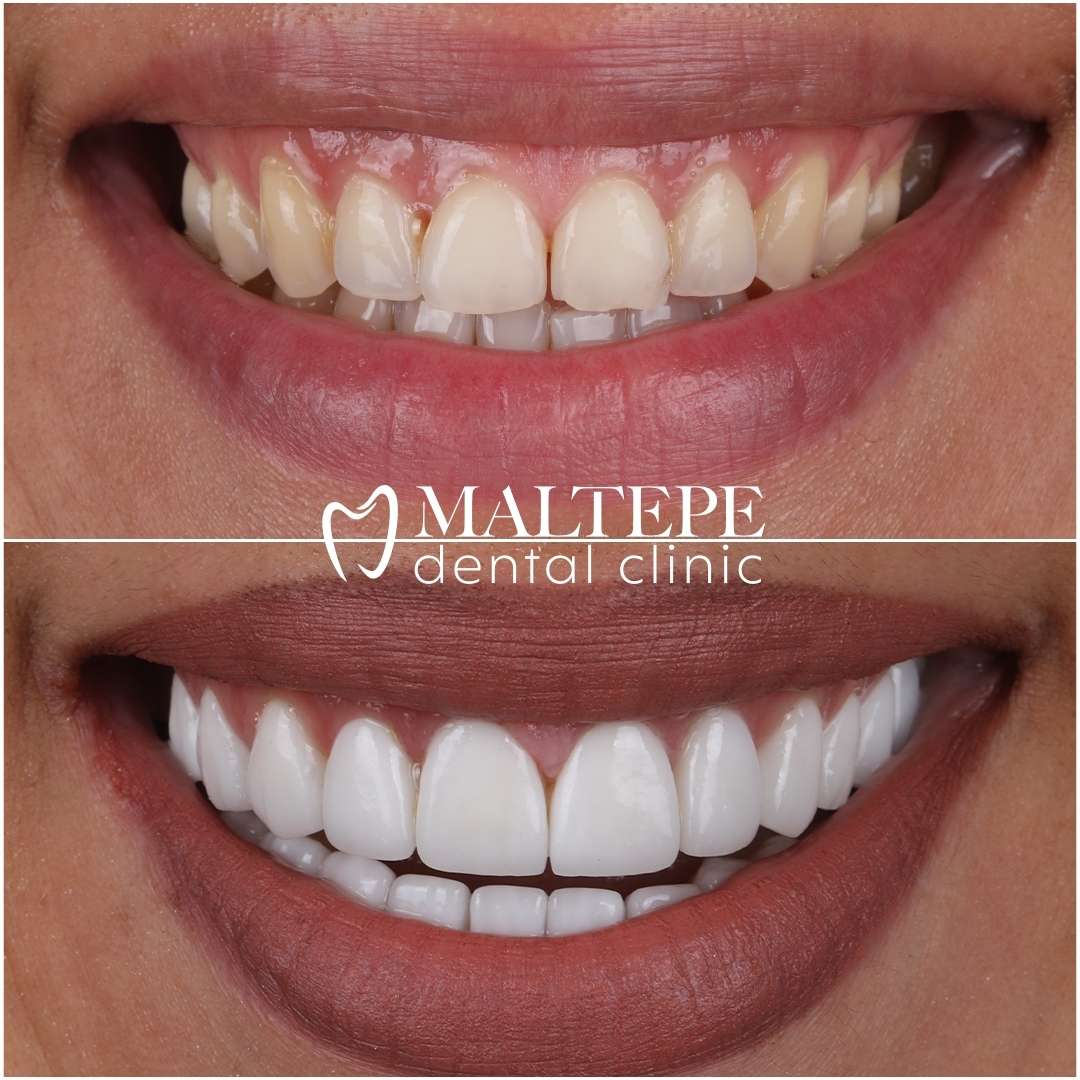
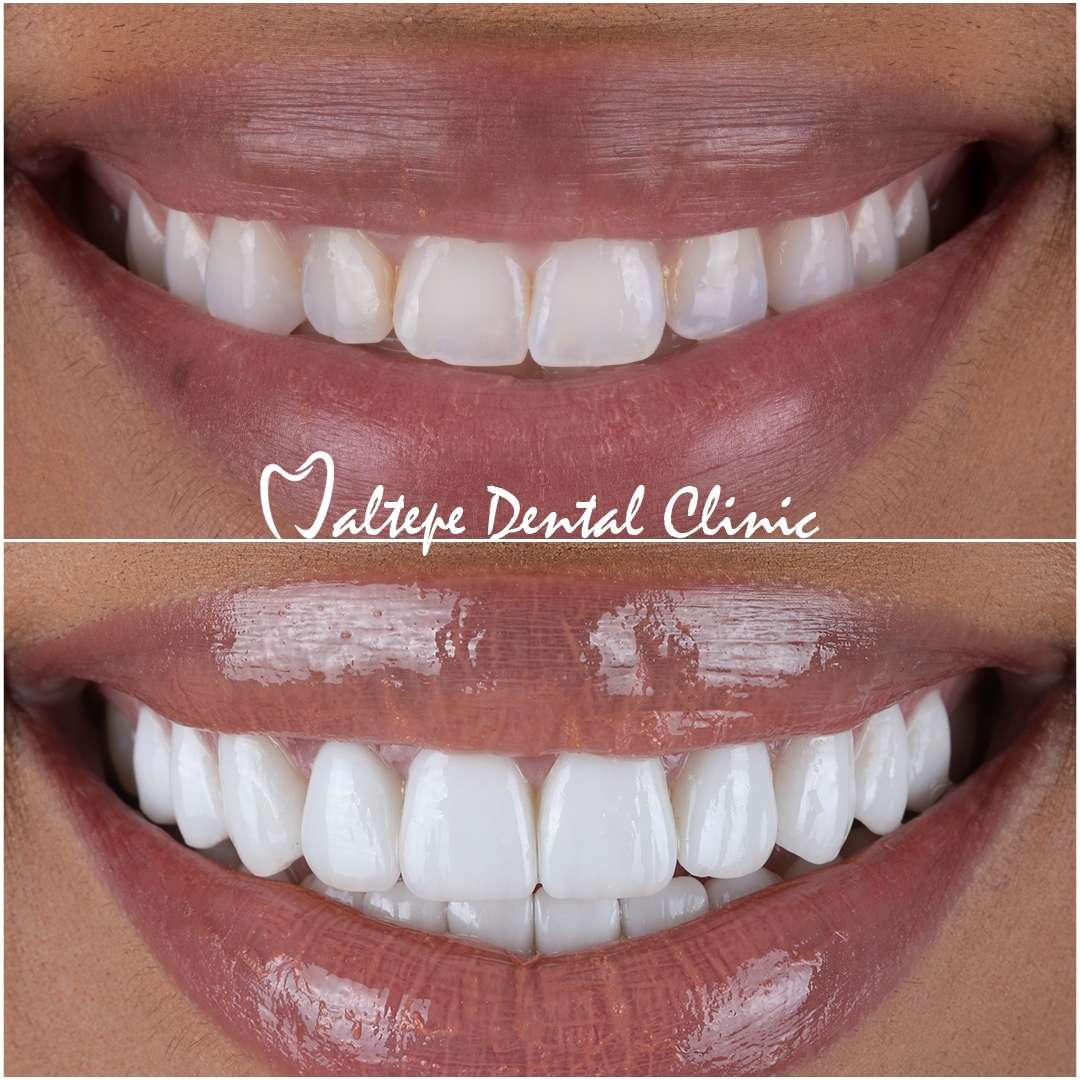
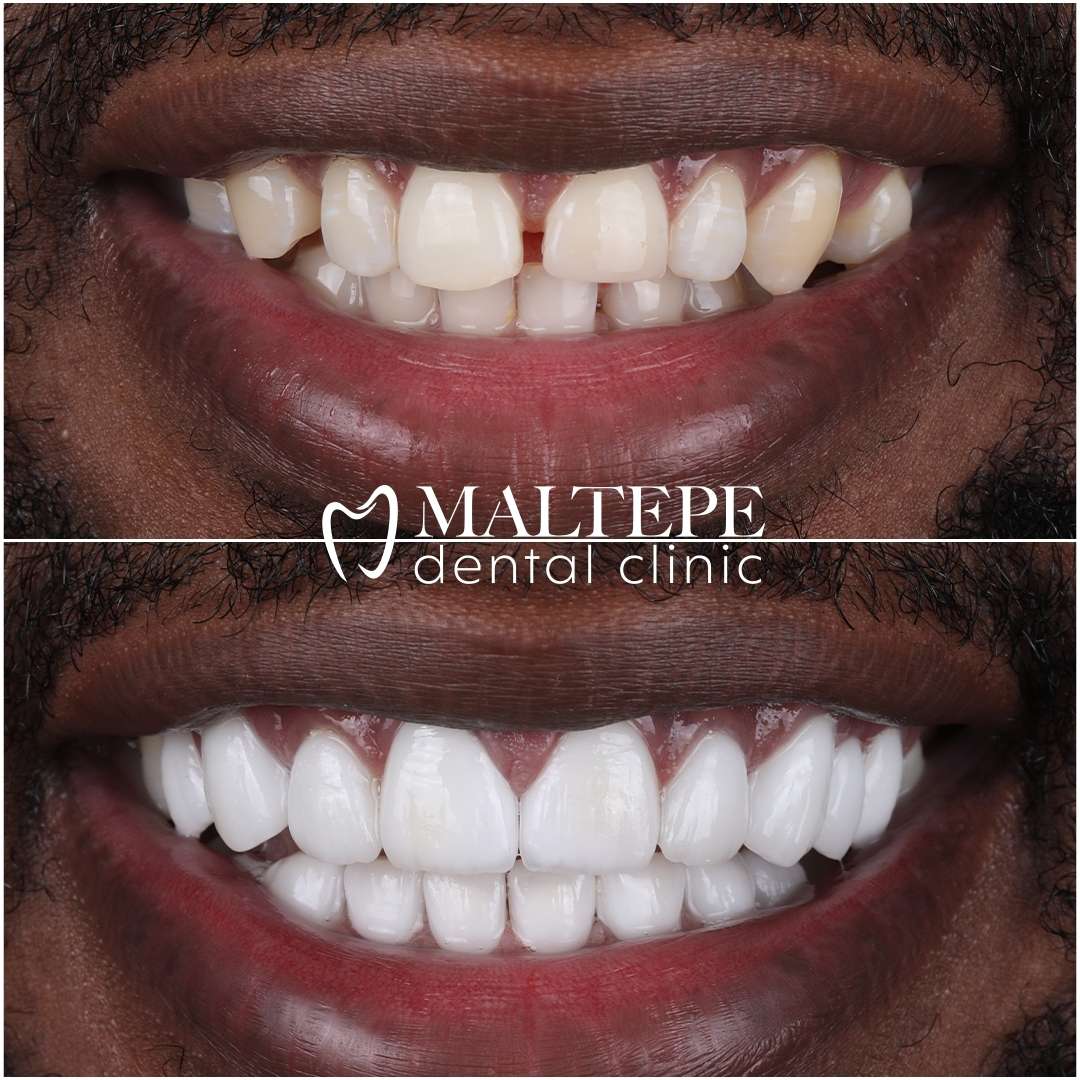
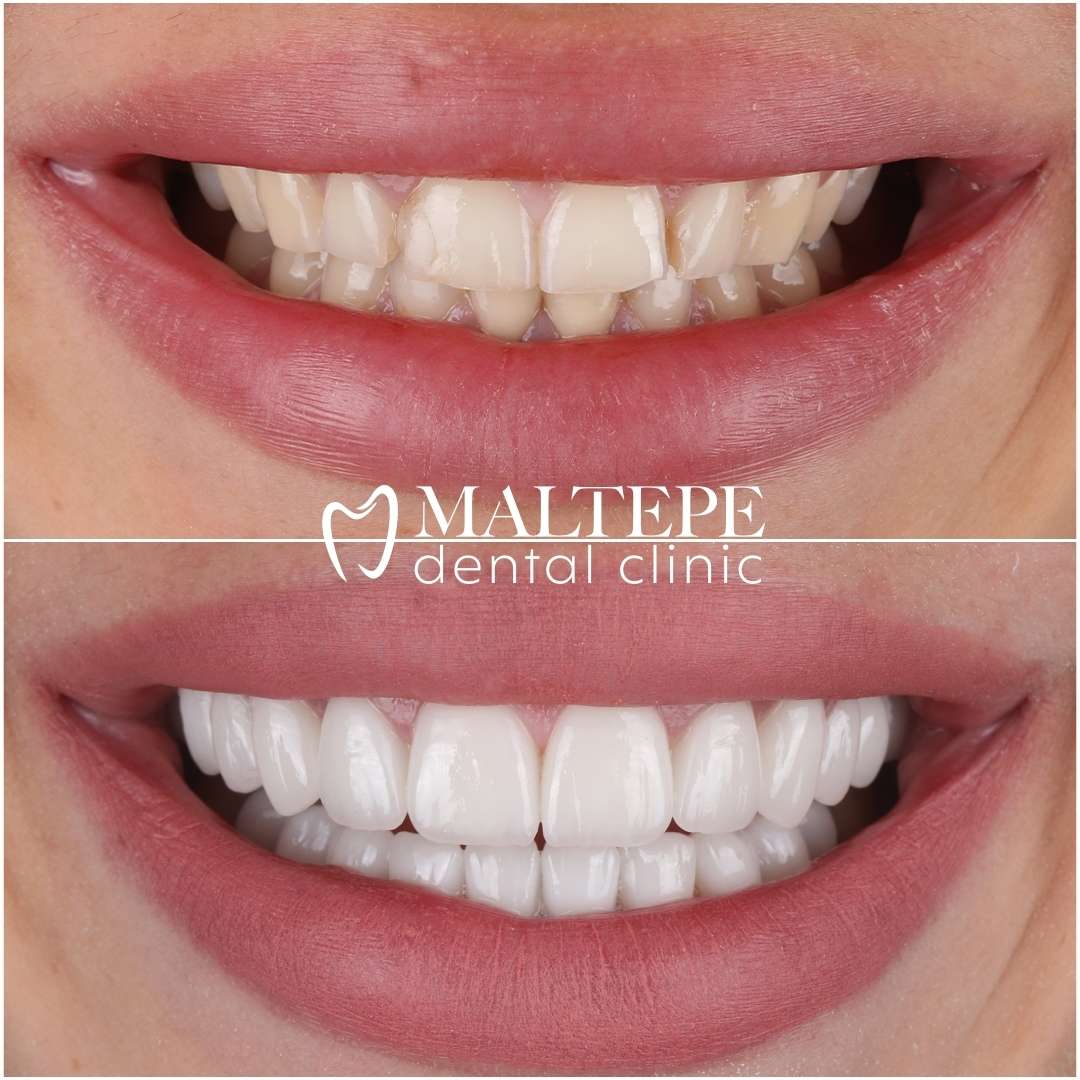
Here are some Hollywood smile before & after photos to give you an idea.
How Long Does Hollywood Smile Last?
The longevity of your Hollywood smile is primarily determined by the durability of the materials used and the level of care you provide. Here’s a breakdown of the typical lifespan of common Hollywood smile components:
- Crowns: Dental crowns, typically made of porcelain or metal, can last for 10 to 15 years with proper maintenance.
- Dental implants: Dental implants, considered the gold standard for replacing missing teeth, can last a lifetime if properly cared for.
- Porcelain veneers: With proper care, porcelain veneers can last for an impressive 20 years or more. Their exceptional durability and natural appearance make them a popular choice.
- Composite veneers: Composite veneers, while more affordable, typically have a lifespan of around 10 years. They may require more frequent touch-ups compared to porcelain veneers.
How To Take Care Of Hollywood Smile?
Maintaining your Hollywood smile requires a combination of regular dental care, proper hygiene practices, and a healthy lifestyle. Here are some essential tips for preserving the radiance and longevity of your Hollywood smile:
- Regular Dental Check-ups: Schedule regular dental checkups with your dentist to monitor the condition of your veneers, crowns, or implants. This proactive approach allows for early detection and treatment of any potential issues, preventing them from escalating and compromising the aesthetic integrity of your smile.
- Meticulous Oral Hygiene: Practice thorough oral hygiene habits twice daily, including gentle brushing, flossing, and using mouthwash. These practices help remove plaque, food particles, and bacteria, preventing staining, decay, and gum disease.
- Dietary Considerations: Avoid hard or sticky foods that could damage veneers or crowns. Limit your intake of sugary beverages and acidic foods, as these can contribute to staining and erosion.
To learn more about proper aftercare for your Hollywood smile, please visit our blog post: “How Do I Look After My Veneers?”
Is Hollywood Smile Worth It?
Whether or not a Hollywood smile is worth it depends on your individual priorities and financial situation. However, there are several compelling reasons why many people choose to invest in this transformative procedure:
- Enhanced Self-Confidence: A Hollywood smile can significantly boost your self-confidence and social comfort. A radiant, aesthetically pleasing smile can make you feel more attractive, outgoing, and approachable, positively impacting your personal and professional interactions and you don’t have to worry about gaps, discoloration, and cavities anymore.
- Improved Oral Health: Procedures for achieving a Hollywood smile frequently tackle fundamental dental concerns like discoloration, chips, misalignment, or bite issues. Addressing these problems not only improves the aesthetics of the smile but also promotes improved oral health and functionality. Furthermore, maintaining good dental health can offer protection against more serious health issues, including heart disease, diabetes, and cancer. This correlation was highlighted in a 2014 study published in The Journal of Evidence-Based Dental Practice by Professor Robert J. Genco and Francis Doherty Genco.
- Durability and Longevity: Hollywood smile components, such as veneers, crowns, and dental implants, are designed to last for many years with proper care. The investment in a Hollywood smile can provide long-lasting benefits, enhancing your appearance and confidence for years to come.