
Last updated on October 14th, 2023
Everybody wants to have a set of perfect teeth, but what are the “perfect teeth”? They might be hard to describe, but many of us have an image of beautiful teeth in our minds. In the simplest terms, perfect teeth should look and feel good at the same time.
Is that all? Well, not exactly. There is still more to learn about what is meant by “perfect teeth”. Also, getting perfect teeth is another challenge. Will we ever know how to get perfect teeth to be shaped naturally? Is having perfectly white teeth enough to smile confidently? How does one get white, perfect teeth?
People all over the world are constantly seeking ways to make their teeth and smile better. Since it involves many variables, getting perfect teeth might look very complicated at first sight. This article aims to explain some key points about the phenomenon. Let’s learn more about perfect teeth in regards to different aspects of the issue.
What Is Considered “Perfect Teeth”?
The first thing we should say about perfect teeth is that there is no such thing as “normal”. Each face and mouth have their own characteristics. One particular type of teeth shape might be OK for a person with a round face while the same set of teeth might look weird on a triangular face. Also, a man and woman might have different conceptions of what a nice smile is. So, there is no one-size-fits-all explanation for what is “normal” or “perfect” for teeth shape.
Dental professionals, in fact, evaluate their patients’ teeth together with their unique dental and facial features. It means the perfect teeth for someone else may not be the perfect teeth for you. Nevertheless, dentists and orthodontists look at some common points to have an overall evaluation of your teeth.
What Do Perfect Teeth Look Like?
There are some factors that are considered when it comes to evaluating the teeth. Bites, gums, smile, and whiteness are some of the most popular focus points in this respect.
Bite
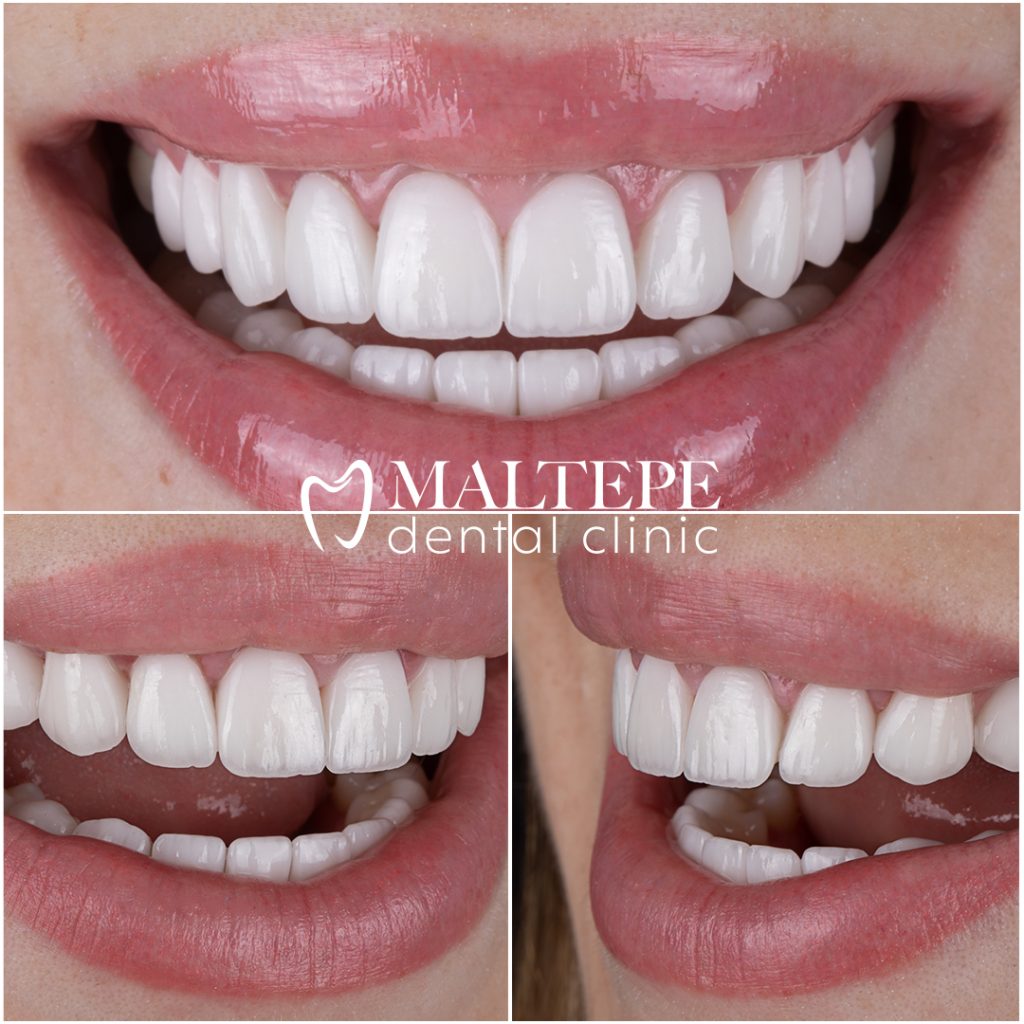
One can easily relate perfect teeth with the perfect bite as it reveals a lot of things about the look and function of the teeth. A well-balanced bite, which is referred to as perfect bite teeth, allows you to chew, speak, and smile properly. Whether or not your upper and lower teeth are in harmony is usually easy to observe in the mirror, by yourself. But dentists still need to evaluate your bite by looking at it from different angles; like front view, side view, and top view. The evaluation of all the views will make sure you don’t have a problem with an overbite, underbite, or crossbite.
Gums
Healthy gums are usually a sign of healthy teeth. A gummy smile, overexposing the gums when smiling, is one of the most common problems that people face on their way to getting the perfect set of teeth. Many people are trying to get rid of the gummy smile issue, which is thought to spoil a perfect smile. Fortunately, most periodontal problems, including gummy smiles, can be dealt with easily at dental clinics these days.
Whiteness
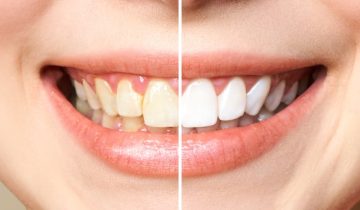
We can’t think of perfect teeth without imagining bright white smiles. However, “perfect teeth” doesn’t necessarily mean a bright white glowing mouth. In fact, too white of teeth might look fake unless they match the whites of the eyes (sclera). Keep in mind that a natural look matters more than stark white teeth. Though there are various teeth whitening treatments, choose the options that will make your teeth whiter in a more natural way.
How To Get Perfect Teeth?
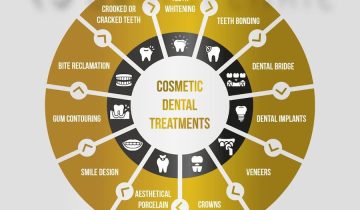
Practicing proper dental care (brushing, flossing, and seeing the dentist regularly) is one of the most cost-effective ways to maintain the natural beauty of your teeth. Yes, simply taking care of your teeth can be enough to have a nice smile if you already have good-looking, healthy teeth. Unfortunately, the majority of people are not fortunate enough to have white perfect teeth naturally. Thus, they need to have certain dental treatments. Today, getting perfect teeth is much easier than before. There are various techniques and treatments promising white perfect teeth. Here are some of the most practiced dental treatments to get a better smile.
Whitening/ Bleaching
As stated above, white teeth are good especially when they look natural in your mouth. You can choose between at-home bleaching and in-office bleaching options. Depending on the condition of your teeth and your lifestyle, the dentist can recommend better options for you.
Crowns
A crown can provide you with a stronger and better-looking tooth in a very short time. Thanks to innovative dental technology, crowns can be made from various materials now. It is usually applied to a single tooth, but you can have several of them when needed. So, for example, both perfect wisdom teeth and perfect bottom teeth are possible through crowns.
Veneers
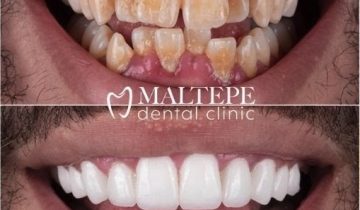
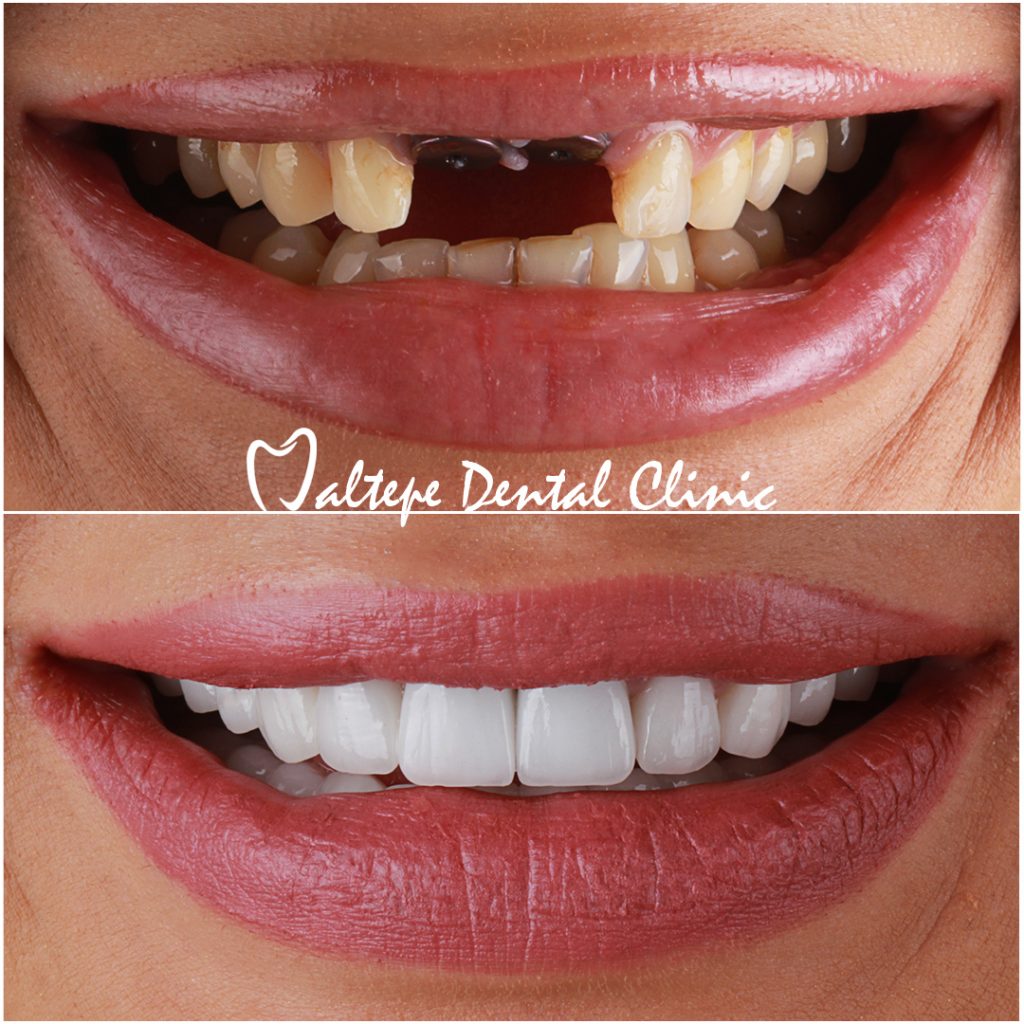
Veneers are tooth-colored covers designed to attach to the front side of the teeth. There are different types of veneers such as porcelain or composite veneers. In most cases, the enamel on the natural tooth surface is removed so that the veneered tooth stays as thick as the other teeth at the end of the procedure. It is a very popular treatment that you might be familiar with if you have ever been interested in Hollywood teeth or a Hollywood smile.
Bonding
Composite bonding is another common treatment similar to veneers. Many people find it to be a more practical way to get perfect teeth since it is a more affordable and less invasive option compared to porcelain veneers. You can get whiter and better-shaped teeth instantly with no preparation, and enjoy your nice smile for a longer time. However, it is more prone to discoloration and bacteria over the years. Consequently, you should be more concerned about oral hygiene with this option.
Braces
Braces are an effective way to deal with crooked or crowded teeth. Some years ago, people used to think that only kids get braces as they are still growing. However, the advances in orthodontic dentistry have allowed adults to make use of braces in different ways and styles such as clear plastic brackets or removable aligners, as well as traditional metal braces. So now perfect teeth alignment is quite accessible for all ages.
Implants
Dental implants are one of the most popular dental treatments as they are usually the last resort for missing teeth. Understandably, getting perfect teeth is impossible when you are missing teeth in your mouth. By getting a dental implant treatment you can have a long-term solution for your smile. Since it is an invasive surgery, dentists usually use local anesthesia for their patients before the process.
How Much Does It Cost To Have Perfect Teeth?
This one is a very hard question, especially if you need more than one treatment in order to get perfect teeth. Nevertheless, you can find the table below showing the average price for each procedure. Note that the prices are the rough estimates per single tooth. The prices might vary depending on the country, material choice, and dental clinic.
| Procedure | Cost per Unit/Tooth (Estimated prices in the USA) | Notes |
| Whitening | 300 – 800 USD | Professional in-office whitening |
| Crowns | 600 – 2000 USD | The aesthetic difference is the main factor in pricing. Dentist’s and lab ceramist’s skills play a factor in the aesthetic result. |
| Veneers (porcelain) | 900 – 3000 USD | Implant brand and surgeon’s experience are the main factors in pricing. Additional costs might be required if bone grafting or other surgical operations needed |
| Bonding | 400 – 1500 USD | |
| Braces | 7000 – 20000 USD | |
| Implants | 1200- 4000 USD | Implant brand and surgeon’s experience are the main factors in pricing. Additional cost might be required if bone grafting or other surgical operations needed |
DIY Tips For Perfect Teeth
As you see, there are various dental treatments to get perfect teeth. What about home remedies? Learning how to get perfect teeth naturally can save you a great deal of money and time. Here is the good news, the biggest favor you can do yourself is taking care of your dental hygiene.
Brushing
One easy way to ensure oral hygiene is toothbrushing. Brush your teeth twice a day using a soft-bristled toothbrush. Make sure you reach all the teeth and gaps among them and brush gently. Brushing for two minutes can keep your teeth healthy and beautiful.
Flossing
Another good habit is flossing. It might be a bit more demanding than toothbrushing, but it offers deeper hygiene for your mouth. Dental flosses are perfect for cleaning the teeth and the small spaces between them, which is not possible with a toothbrush. There are different types of dental flosses now. You can choose the most practical one for you.
Watch Your Diet
Certain foods and drinks can damage the tooth enamel. Acidic foods and drinks, candies, cookies, and most snacks either deteriorate the tooth surface directly or allow bacteria to settle on the teeth or in the gum tissue. Cutting down on such foods and drinks, and brushing immediately after having them would help you a lot to get healthy teeth.
Using Whitening Strips
If you are more concerned with the stains and discoloration on your teeth, then whitening strips are great for you. There are various types and brands of whitening strips. You can buy and apply the suitable one at home yourself. If it is your first time, you might have the feeling of sensitive teeth immediately after the application, but it is often temporary.
FAQs About Perfect Teeth
The term “perfect teeth” is somewhat of a finicky notion. Not surprisingly, people are confused about some points regarding perfect teeth. Here are a few of the most frequently asked questions to help you better understand the issue.
Can You Straighten Teeth Naturally?
No, you can’t. Yet, teeth aligners can help you get a better teeth alignment at home.
Is It Okay To Not Have Perfect Teeth?
Yes, it is. There are even celebrities who are happy with their imperfect teeth.
How Do Celebrities Have Perfect Teeth?
They usually undergo one or more of the above-listed procedures such as veneers, crowns, or implants.
Are Snap-On Teeth Any Good?
If you want to have a quick perfect smile, snap-on teeth can be an option. Alas, they might not look natural, and they will need to be replaced in a few years.
Are Teeth Shape Genetic?
Yes, the shape of teeth and jaw is genetic.