

Last updated on November 21st, 2023
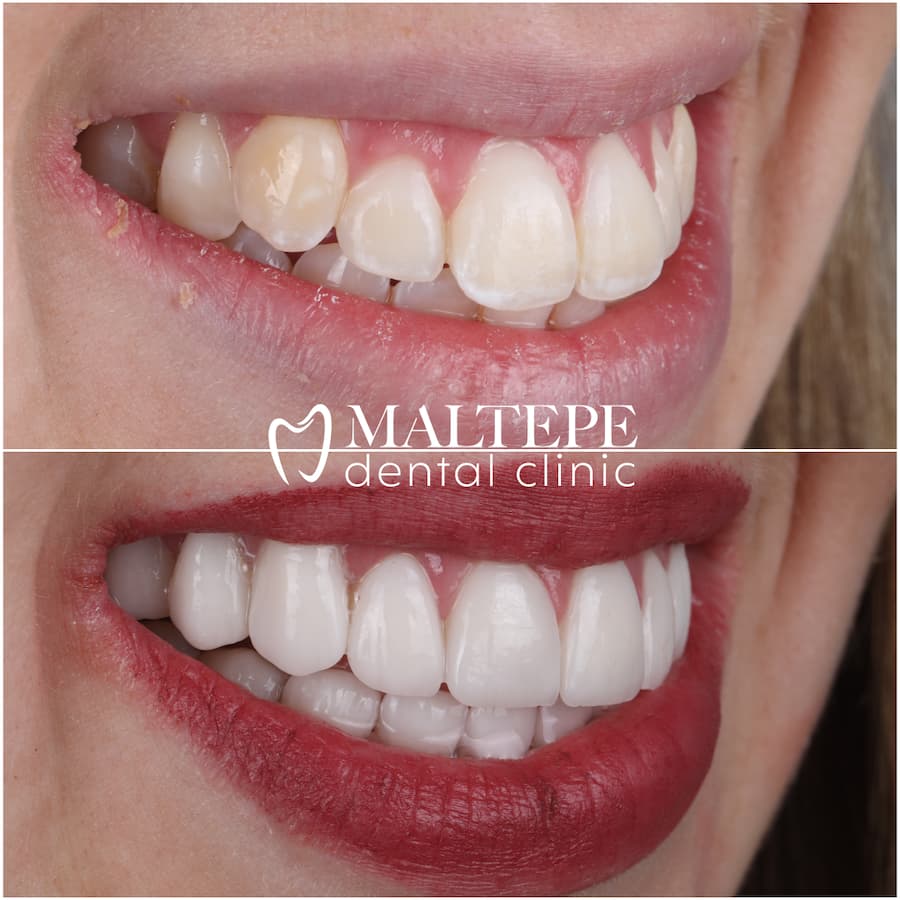
Upper front teeth can protrude out from the lower front teeth. This phenomenon is called buck teeth or overbite. Ranging in severity, buck teeth are usually a cosmetic malocclusion that may stop people from smiling confidently.
Some patients prefer not to get their buck teeth treated since they don’t find it very problematic. Conversely, some others will need treatment as their buck teeth cause certain functional problems such as damage to the tongue, other teeth, or gums, mostly due to accidental biting.
In this article, we are shedding light on numerous issues concerning buck teeth. This ultimate guide will give you practical information about buck teeth and treatment options.
What Causes Buck Teeth?
Most buck teeth issues are hereditary. However, some external factors after birth can also lead to buck teeth. Here are the most common causes of buck teeth listed for you.
Thumb Sucking
Buck teeth caused by thumb sucking are a common issue among babies. Thumb sucking at a young age is normal. However, if the baby prolongs this habit into the toddler stage while getting his/her permanent teeth, it may cause the front teeth to develop at an abnormal angle.
Sucking On Pacifier
Pacifiers carry a similar risk as thumb-sucking does. Especially, sucking at a dentally critical stage can lead to malocclusion in the years that follow.
Tongue- Thrust
Tongue thrust first appears when babies are breastfeeding or bottle feeding. Though it is normal at that time, it might prolong the tongue thrust even more. It can then cause an “open bite” or overbite (buck teeth).
Genetics
Genetic factors make up a big portion of the buck teeth cases. For example, the shape of the jaw is a big factor that patients generally inherit from their parents. An uneven jaw size between the upper and lower teeth might end up leading to buck teeth.
Some Dental Issues
Patients can also have buck teeth problems due to the crowding or spacing in between their front teeth. Also, missing teeth may cause the remaining ones to migrate over time, and this can affect the alignment of the teeth, leading to buck teeth.
Other Medical Conditions
Some patients might have buck teeth due to cysts or tumors in their mouth or jaw. The most common cause is usually a growth or persistent swelling. This type of medical condition requires a more comprehensive treatment and it is recommended that one consults other medical doctors.
How To Fix Buck Teeth?
Whether to fix buck teeth or not depends on the severity of the problem. Since some people are ok with their buck teeth and the overbite doesn’t make them uncomfortable, they tend not to get any dental treatment for it.
Nonetheless, buck teeth can create great discomfort both functionally and aesthetically. Then, depending on the type and extent of the problem, dental professionals can offer treatment options.
Can Braces Fix Buck teeth?
Yes, they can. Actually, buck teeth correction with braces is the most common way to treat buck teeth, along with retainers. Braces work perfectly not only for kids or teenagers but also for adults. Wires and metal brackets help the teeth get in the desired alignment over time. If there is not enough space to move the teeth, tooth extraction might be needed for some patients.
Can Invisalign Fix Buck teeth?
Invisalign is a clear plastic aligner; they are similar to braces in terms of functionality. Teenagers and adults tend to prefer Invisalign treatment for minor malocclusions. Invisalign is usually regarded as more aesthetically pleasing, but it can also be more expensive.
Can Veneers Fix Buck teeth?
Yes, veneers can fix buck teeth in certain cases. Veneers are thin, custom-made shells that are bonded to the front of the teeth. They can be used to cover up a variety of cosmetic imperfections, including buck teeth. As you might already know, veneers mimic the color and shape of natural teeth, and they are used for various purposes in dentistry. So, veneers are a quick and effective way to correct buck teeth without braces.
When Should I Consider Surgery For Buck Teeth Treatment?
Some patients who have buck teeth might need orthodontic surgery as the problem occurs due to the misalignment in the jawbone. Though it is still possible to eliminate orthodontic problems without surgery in younger patients (through invisalign aligners or braces), surgery might be the only way to solve buck teeth for adults.
Remember that regardless of your age and the problems being caused, you should always discuss your dental problem with an experienced dentist or orthodontist before taking any action. Professionals will tell you the most practical treatment options.
How Much Does It Cost To Fix Buck Teeth
The average cost of fixing buck teeth or overbite is between $1,900 to $5,000. The price can change depending on the treatment method you choose. For example, braces can be less expensive than aligners.
Also, you should consider your insurance plan. Though most plans don’t cover cosmetic dentistry expenses it is still worth checking. Finally, dental treatment abroad has been a trending option in recent years. You can get the same or even better treatment at affordable prices in a foreign country.
How Long Does It Take To Get Rid Of Buck Teeth?
How long it takes to get rid of buck teeth varies depending on the severity of the problem and the treatment techniques chosen.
The following are some common buck teeth treatment methods and their normal treatment times:
- Braces: It is a widely practiced treatment for buck teeth. It takes anywhere from 12 to 24 months to do the correction on an overbite.
- Invisalign: It is similar to braces but is a clear alternative. It takes anywhere from 12 to 18 months to do the correction on an overbite.
- Surgery: If it is a severe overbite, surgery can be the only way to correct it. It is an efficient last resort for many patients, but the recovery might take several months.
As stated above, determining the severity of your case is an essential step to getting the right and effective treatment. Talk about it with your dentist and discuss the options before taking any step further. An experienced and qualified dentist can find the best treatment plan for you.
Also, note that the time that the treatment of buck teeth takes can vary depending on factors such as:
- Overbite severity: The correction will take longer if the case is a severe one.
- Patient’s age: The younger the patients, the better they respond to the treatment.
- Treatment plan: Some treatments take longer. i.e: braces
- The compliance of the patient: If the patient is compliant with the treatment, they can see the results sooner.
Finally, patience is very important in buck teeth treatments since it takes some time to see the correction.
How to Correct Buck Teeth At Home?
There are no proven home remedies to correct buck teeth. At-home remedies, such as tongue exercises or retainers, may help to improve the appearance of buck teeth, but they will not correct the underlying problem. You can choose not to take any action with your buck teeth unless you feel uncomfortable with them. However, trying to fix an overbite (buck teeth) yourself is not a good idea.
Correcting the alignment of the teeth requires planned pressure applied under the control of a medical professional. Putting pressure, pulling teeth, or adjusting your jawbone at home might create serious injury to the jaw or teeth. Therefore, you should see your dentist or orthodontist to address any possible treatment for buck teeth.
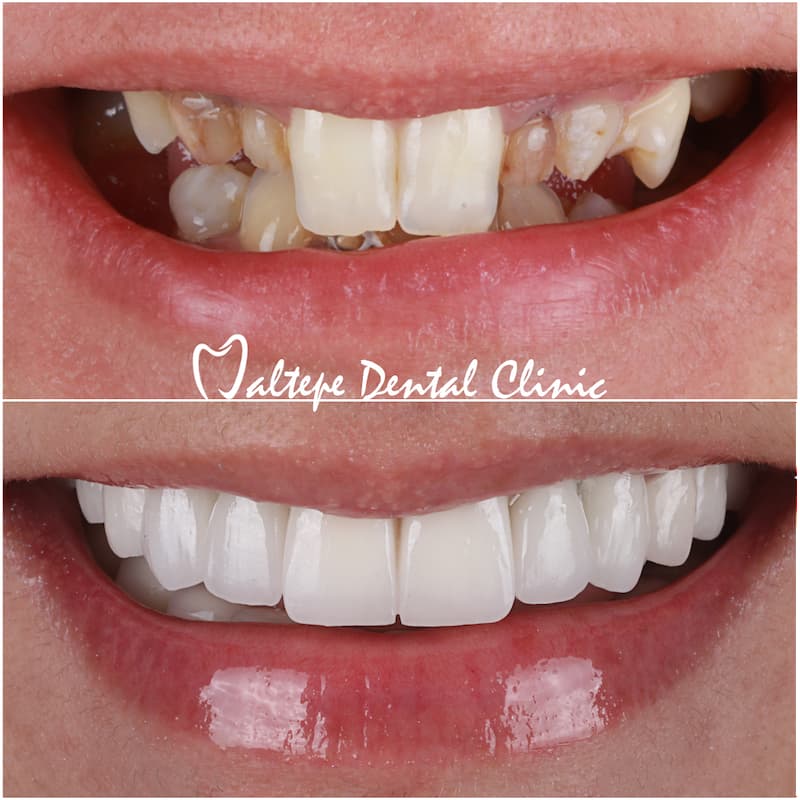
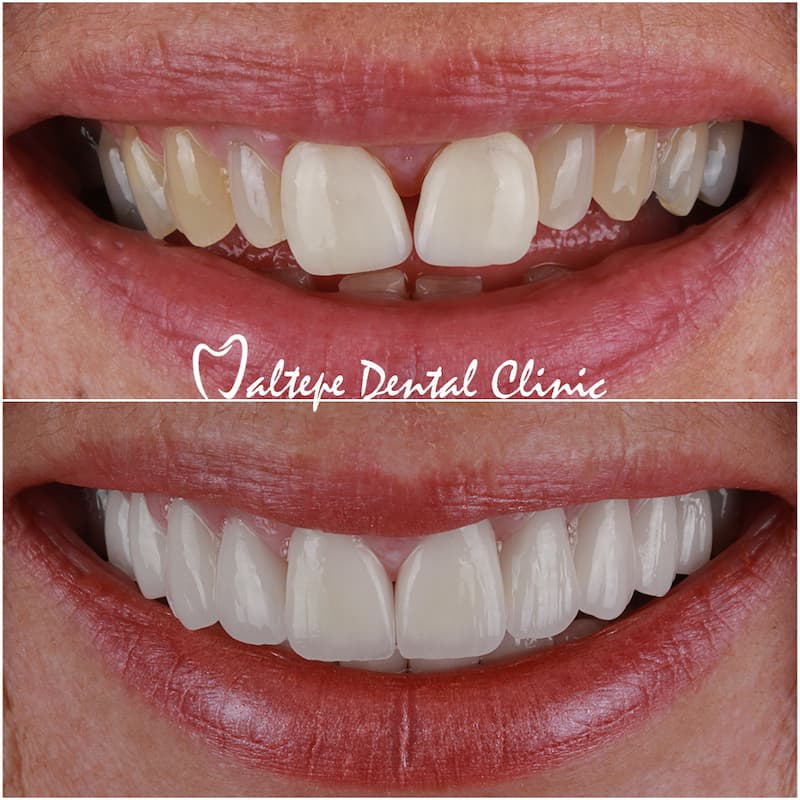
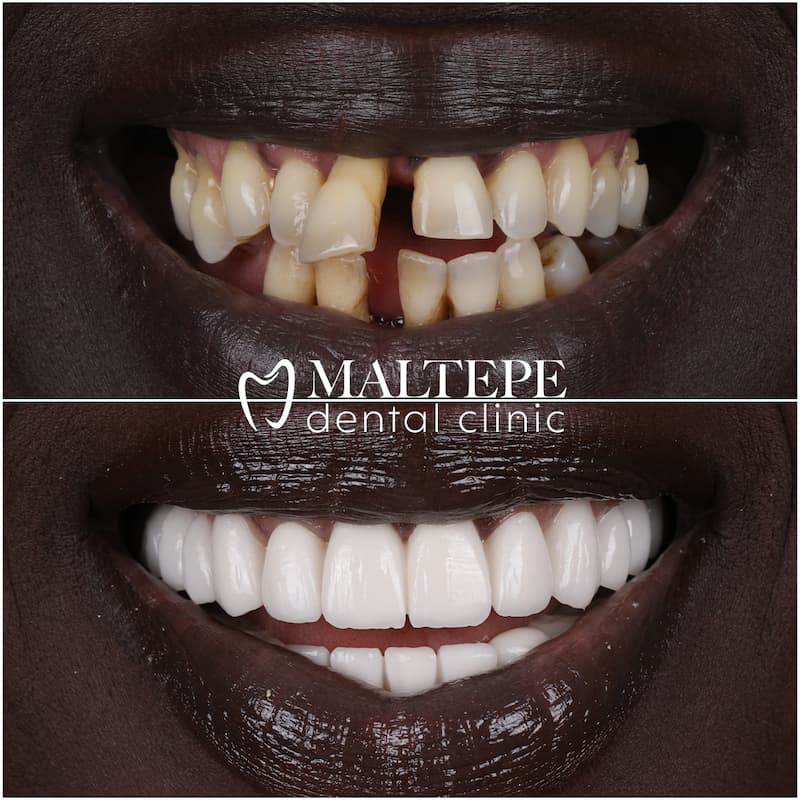
Before And After Images of Buck Teeth
Here are before and after images of buck teeth.
FAQs About Buck Teeth
Here you can find the most common questions about buck teeth.
What Are Other Names For Buck Teeth?
Buck teeth are also called overbites, overjets, or protruding teeth.
Are Buck Teeth And Overbite The Same Thing?
Yes, they are the same thing.
Will Pacifiers Cause Buck Teeth?
Yes, pacifiers can cause buck teeth.
Will Thumb-Sucking Cause Buck Teeth?
Yes, prolonged thumb-sucking can cause buck teeth.
Is Buck Teeth Genetic?
Yes, buck teeth problems are often hereditary.
Does Mouth Breathing Cause Buck Teeth?
The study, published in 2016, found that bad habits such as sucking habits and mouth breathing can cause malocclusion and that early intervention is important to prevent or correct this condition. Breathing through the mouth keeps the jawbone in an improper position, and it might lead to buck teeth.
Is Buck Teeth A Birth Defect?
Buck teeth are often hereditary, meaning that they can be passed down from parents to children.
Is It Normal To Have Buck Teeth After Getting Dentures?
Some denture treatments might result in buck teeth, but they can be avoided through good communication between the patient and the dentist.
Related posts:
 Dental Implants Abroad: Full Guide – All Answers
 What is Ethical Dentistry?
 Turkey Teeth: Everything You Need To Know About
 Perfect Smile: With & Without Cosmetic Dentistry
 Tooth Discoloration: What Causes Yellow Teeth Stains?
 The Benefits and Procedure Of Porcelain Inlays And Onlays: Improving Your Dental Health