

Last updated on August 16th, 2023
Dental crowns are tooth-shaped prosthetics that are used to restore the shape and size of the tooth. With this procedure, the visible part of the tooth above the gum line must be covered entirely. Restoration with dental crowns is a very preferred method in terms of aesthetics and health. However, high prices can often cause people to be deprived of this treatment. The cost of a dental crown per tooth ranges between £300-£2000. From the location of the dental clinic to the material used for the crown, many factors impact the treatment prices. Moreover, the technology and equipment used, and the additional procedures performed before the treatment also contribute to the cost. So, let’s talk a bit more detailed about four primary reasons why dental crowns are so expensive.
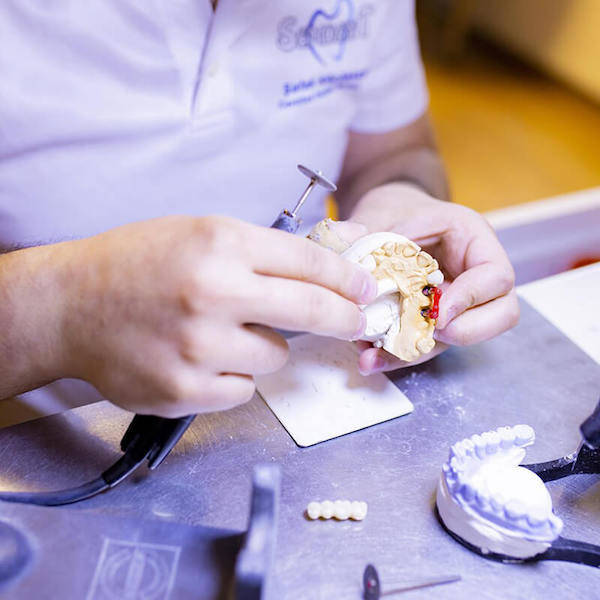
1. Material Costs of Dental Crowns
Crowns are made from various materials such as ceramic, steel, metal (alloy metals such as gold or palladium, nickel, and chrome), porcelain fused to metal, resin. The materials used in the procedure naturally impact the price. For instance, resin crowns are the cheapest option, but it is a relatively weak material, so it has a shorter lifespan. On the other hand, crowns made from a precious metal like gold last longer, and they cost more. Especially with the use of zirconium and porcelain for crowns, there has been a significant increase in prices. These materials are incredibly durable, and they provide a very natural look. Moreover, they are not affected by color change over time as metal alloys.
We believe that it is not a good idea to choose cheaper solutions made from weaker materials. Considering that these replacements will stay in your mouth for about 15 years, we recommend not to compromise on quality.
2. Laboratory Costs of Dental Crowns
If a part of the treatment is carried out by an outsider laboratory or dentist, the overall treatment fee increases. Many clinics outsource laboratory services. This method not only extends the duration of the treatment to 46 weeks but also causes the treatment fee to reach astronomical amounts due to the external purchase expenses.
Furthermore, in many cases, gum contouring procedures are required before the crown treatment. If the clinic uses outsider technicians/dentists for these procedures, your bill reaches four digit amounts even before your treatment begins. Further procedures (such as root canal treatment) may be needed before starting the procedure as well. All these additional services and procedures have an impact on treatment costs.
Therefore, we recommend you choose a clinic that has specialists such as endodontists, orthodontists, and gum specialists in its dental team and owns an in-house laboratory. Thus, you can shorten your treatment duration and avoid outsourced dentist/laboratory expenses.
3. Cost of the Digital Technology Used in Dental Crowns
The dental technology used for the treatment also impacts the treatment price. For instance, CAD/CAM systems are very advanced technology equipment that is used in the production of dental crowns. The cost of these technological systems for the clinic increases overall treatment prices.
CAD/CAM systems are so expensive equipment. Furthermore, laboratories specialized in digital smile design charge high amounts as well. So, dental clinics with in-house laboratories and experts bypass these additional fees, and this can reduce the overall cost of your treatment.
4. Labor Costs for Dental Crowns
All of the factors mentioned above impact treatment costs. However, hourly wages per person probably constitute the most significant expense. A certain amount of time should be reserved for each patient. Especially all ceramic crowns require more expertise and time. That is one of the reasons why they cost more. A dentist may need to work up to 2 hours in the laboratory, together with other assistants, to prepare a crown.
As an indicator of the labor costs, let’s compare the national living wages of the UK and Turkey. As of 2020, the hourly national living wage is £8.72 in the UK. So, for instance, a full time employee that works 40 hours a week receives a £1,312 monthly salary. On the other hand, the net monthly minimum wage is £295 in Turkey. These numbers demonstrate that the labor cost in the UK is about 450% higher than it is in Turkey. So, the lower the hourly wage of the dental team, the more affordable the treatment becomes.
Getting Dental Crowns in Turkey
It is a well-known fact that tooth crown prices vary drastically from countries to countries. Due to the lower operating costs, prices of dental crown treatments in Turkey are much more affordable compared to countries like the USA and the UK. A quick internet surfing is enough to see that while a tooth crown costs up to £1,000 in the UK, it can be completed only at £200-300 in Turkey.
Turkey is among the leading health tourism countries. So, there is a big competition among dental clinics. This competition is another factor that keeps the treatment prices at low levels. As a result, the country you choose to get the treatment done has a significant role in the prices. The only difference between dental clinics in Istanbul and their counterparts on Harley Street is the fee you pay. You can save up to 70% percent by getting your dental treatment done in Turkey. Of course, the more extensive the treatment, the more you save. Therefore, people choose Turkey, especially for costly treatments like crowns. Moreover, a month-long procedure can be completed at a dental clinic in Istanbul in less than a week. Considering these very facts, it is worth visiting a dental clinic in Istanbul to get your dental crowns.
Dental Crown Treatment Prices at Maltepe Dental Clinic
Maltepe Dental Clinic is one of the clinics that appears in the first place when you search for a dental clinic in Istanbul. We have been offering dental crown treatments at European standards for years. We own an in-house lab and have specialists with different expertise in our dental team. These advantages enable us to design and create high-quality crowns at affordable prices.
A dental crown treatment at Maltepe Dental Clinic costs between €150-335 per tooth. The primary reason causing this range is the type of material used for the crown. For instance, Emax crowns are the best option in terms of aesthetics and durability. So, they cost higher than other types. An Emax crown costs about €335, while the cost of a metal ceramic crown is about €150. The technology used in the design and production process matters as well. For example, a zirconium crown costs €285 when produced with CAD/CAM technology. However, sometimes patients need just one or two crowns for the posterior teeth, and in such cases, they find the crowns produced with traditional techniques enough. This type of zirconium crowns cost €230 per tooth.
Related posts:
 Which Dental Crown is the Right One for Me?
 Inlays And Onlays Vs. Crowns: Which Is The Right Choice For You?
 Everything You’ve Ever Wanted to Know About Hollywood Smile
 Dental bridge: Definition, Types, Who Needs It, Cost, Treatment, and More
 Partial Dentures: Everything You Need To Know
 Denture Adhesives: A Comprehensive Guide